Posts tagged public sector employer
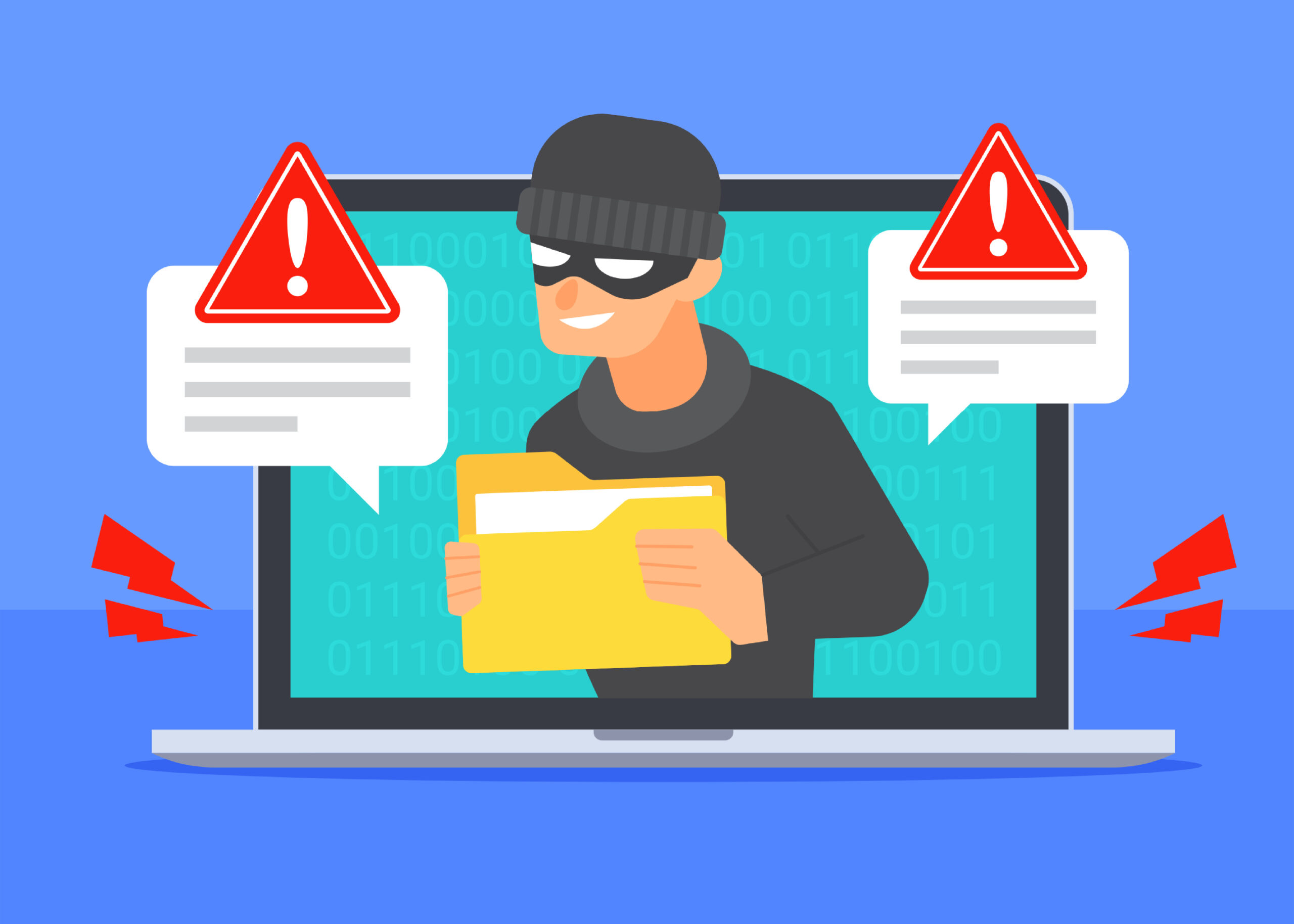
Hackers Ransom 500,000 Union Members’ Personal Information
March 23, 2025 // The attack targeted the Pennsylvania State Education Association (PSEA) and impacted more than 500,000 individuals, including public school teachers and support staff. During the breach, hackers accessed individuals’: Date of birth. Social Security numbers. Driver’s license numbers. Passport numbers. Bank account information, including account and routing numbers and passwords. Credit and debit card information, including card numbers, PINs, and card expiration dates. Health insurance and medical information. Why does the PSEA have access to all this information, especially since most have nothing to do with work or union representation? Simply put, unions often obtain personal information to contact employees about political causes and union organizing outside the workplace. They also send unpaid dues to collections.
Philip Howard’s Not Accountable Focuses on Reform of Public Sector Unions
January 24, 2023 // Philip K. Howard, chairman on the nonpartisan, nonprofit reform group Common Good, examines the phenomenon of public sector unions and how they rose to power in his new book Not Accountable: Rethinking the Constitutionality of Public Employee Unions. The short answer is that public sector unions are shielded from the market forces that keep private sector unions in check—a government agency is not in danger of going out of business. Public sector unions also have an in-built advantage when it comes to bargaining. Management is typically an elected official who needs the union’s help at election time and fears having it as an enemy. Public sector unions can in effect be represented at both sides of the bargaining table, Howard notes. Unions have these advantages to insulate themselves from any criticism or challenges to their power while warping public policy to their will. It’s a sobering read. The unions pressure the government to devote more public funding to bolstering the workers, diverting funds that would otherwise go to public services or maintenance of public infrastructure.
Don’t Expect Unions To Make a Comeback
April 18, 2022 // The biggest problem for unions, it turns out, is that workers are making real progress without them