Posts tagged federal employees
Social Security ends flexible work schedules, teeing up clash with union
October 13, 2026 // The Trump administration eliminated collective bargaining at more than 20 agencies last year through a pair of executive orders, on the grounds that these changes were necessary for national security reasons. SSA, however, wasn’t impacted by the executive orders and still recognizes AFGE. Its contract with the union is effective until Oct. 25, 2029.
Commentary: Federal unions owe workers more transparency. Congress can help.
September 24, 2026 // Congress should also ask why so few have and strengthen union accountability by requiring unions to disclose in their filings the total number of workers they claim to represent versus the number of actual members. They should also be required to report election turnout data at all levels: eligible voters, ballots sent and ballots returned — similar to shareholder-vote disclosures. For example, some unions use “delegate” qualification procedures that can insulate national incumbents from direct member voting. As a matter of fair competition, challengers should have the same access to membership contact lists as incumbents, with sufficient time to mount a campaign, with direct member voting as the preferred standard.
Trump formally proposes pay freeze for most federal workers, 3.8% increase for law enforcement
September 1, 2026 // Trump first proposed the pay freeze as part of his fiscal 2027 budget proposal. Though the document was silent on federal employee compensation, officials with the Office of Management and Budget quickly clarified that its omission equated to a planned freeze for 2027. In a letter to House Speaker Mike Johnson, dated Thursday, Trump said increasing most federal employees’ pay would be “unacceptable and unfair” given the inflation that occurred under the Biden administration. Inflation actually has risen from 2.8% when former President Biden left office to 3.3% as of last month.
Key parts of federal employee performance overhaul ‘non-negotiable,’ OPM says
August 5, 2026 // But some aspects of performance management are still negotiable, according to OPM, as long as they remain consistent with both the final rule and any applicable laws. Those include employees’ informal requests for a reconsideration of their rating; rules on awards and recognition programs; and feedback procedures between supervisors and employees.
Federal employees say they’ll quit if they have to move to New Jersey
July 28, 2026 // The International Federation of Professional and Technical Engineers (IFPTE) Local 98, representing the U.S. Army Corps of Engineers’ New York District and North Atlantic Division employees, rallied outside 26 Federal Plaza in Manhattan on Thursday, protesting the proposed relocation of their offices to New Jersey. New York City Council Speaker Julie Menin and Lander were among those who joined in person, while Mayor Zohran Mamdani sent a statement in support, calling on the federal government to keep the employees in New York. Members of both the Democratic and Republican New York congressional delegations have sent letters to the Trump administration urging them to reconsider the move.
Federal employees face reality of Schedule Policy/Career
July 8, 2026 // Trump administration officials have said the creation of Schedule Policy/Career aims to improve employee accountability and ensure the federal workforce is carrying out the president’s policy agenda. A senior administration official last month told reporters, “As long as employees are performing their job duties in a competent, professional manner,” then reclassified federal employees “have nothing to be afraid of.”
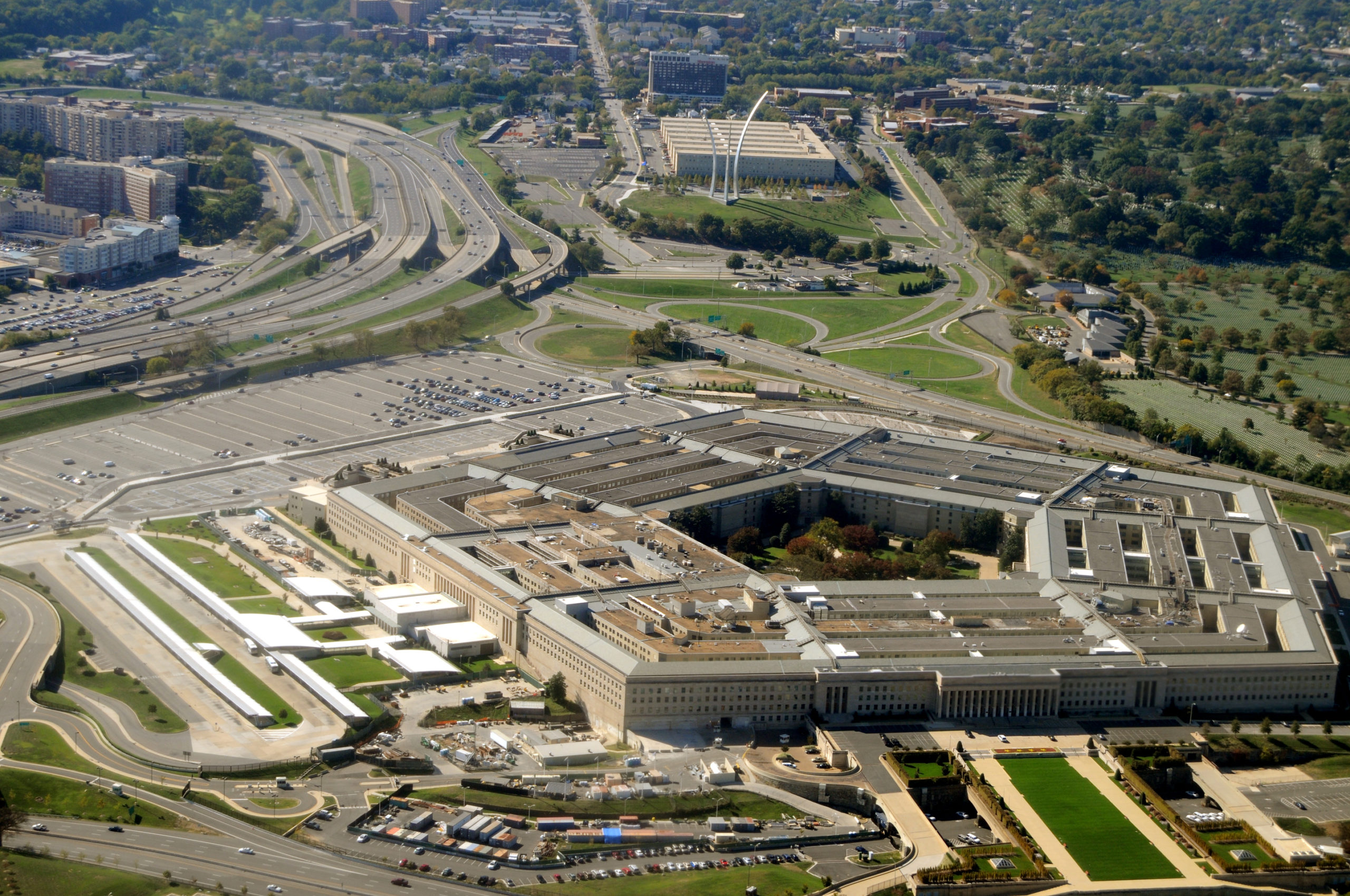
Unions sue DoD over termination of collective bargaining agreements
July 6, 2026 // In April, lawmakers asked Defense Secretary Pete Hegseth about his decision to cancel nearly all collective bargaining agreements across the department, Hegseth said he “fundamentally believes the Department of War should not be subject to collective bargaining. Full stop.”
US judge blocks labor board’s Trump-era move to take control over union elections
July 1, 2026 // A federal judge on Monday blocked the U.S. agency that oversees union elections for federal employees from shifting authority over all labor representation decisions to its top body, which is dominated by Republicans appointed by President Donald Trump. Chief U.S. District Judge Denise Casper in Boston sided with, opens new tabeight unions who had sued to prevent the Federal Labor Relations Authority from stripping its regional directors of their decades-old power to decide cases themselves by having its three-member body of presidential appointees handle all of them.
Pingree, Bellows blast DoD over ending bargaining with shipyard employees
April 22, 2026 // In March of last year, President Donald Trump issued an order indicating that it would be terminating bargaining negotiations with some unionized federal workers, including workers at the shipyard. At the time, the administration cited national defense concerns when issuing the order. This week, various media outlets are reporting that local workers’ unions at the shipyard received a notice on Friday that the U.S. Department of Defense was no longer going to be engaging in bargaining agreements with unionized workers.
DoD moves to end most collective bargaining agreements
April 17, 2026 // While court orders temporarily blocked the Trump administration’s attempts to rescind collective bargaining rights from federal employees in some cases, a recent administration memo urged agencies to move forward with implementing the executive order.