Posts tagged DOL
Commentary: Federal unions owe workers more transparency. Congress can help.
September 24, 2026 // Congress should also ask why so few have and strengthen union accountability by requiring unions to disclose in their filings the total number of workers they claim to represent versus the number of actual members. They should also be required to report election turnout data at all levels: eligible voters, ballots sent and ballots returned — similar to shareholder-vote disclosures. For example, some unions use “delegate” qualification procedures that can insulate national incumbents from direct member voting. As a matter of fair competition, challengers should have the same access to membership contact lists as incumbents, with sufficient time to mount a campaign, with direct member voting as the preferred standard.

Commentary: Are Unions Rising from the Political Grave?
September 21, 2026 // Here again, however, there may be less than meets the eye. Despite its surprising bipartisan support, the FLCA would raise significant constitutional questions if enacted. By relying on a government-mandated arbitration panel to resolve labor disputes, the law effectively empowers the state to impose contractual terms on private parties—a form of what constitutional lawyers call “state action.” As attorneys Alex MacDonald and Vinnie Vernuccio observe: “[S]tate action opens the door to a slew of constitutional requirements and restrictions, notably to protect rights of free speech and association.”

Maryland Union Leader Convicted of Defrauding Union To Enrich Herself
September 3, 2026 // Goodwin served as the president of the AFGE local 2419 union from January 2017 to August 2019. At the time of her service, the union represented approximately 500 federal employees of the National Institutes of Health (NIH). As part of the fraud scheme, under Goodwin’s authority, the union transferred approximately $1 million received from NIH from multiple employee grievance lawsuits into the local 2419 bank account. She then used her power as signatory of the union bank account – which she retained as part of her scheme to defraud the union even after her tenure as president had expired in 2019 – to transfer the money to a sham consulting company that she owned.
House Republicans ramp up labor union investigations before midterms
September 3, 2026 // Inquiries come after conservative thinktanks claim unions are using member dues to support Democratic causes
Striking workers will need to seek jobs to qualify for WA unemployment benefits
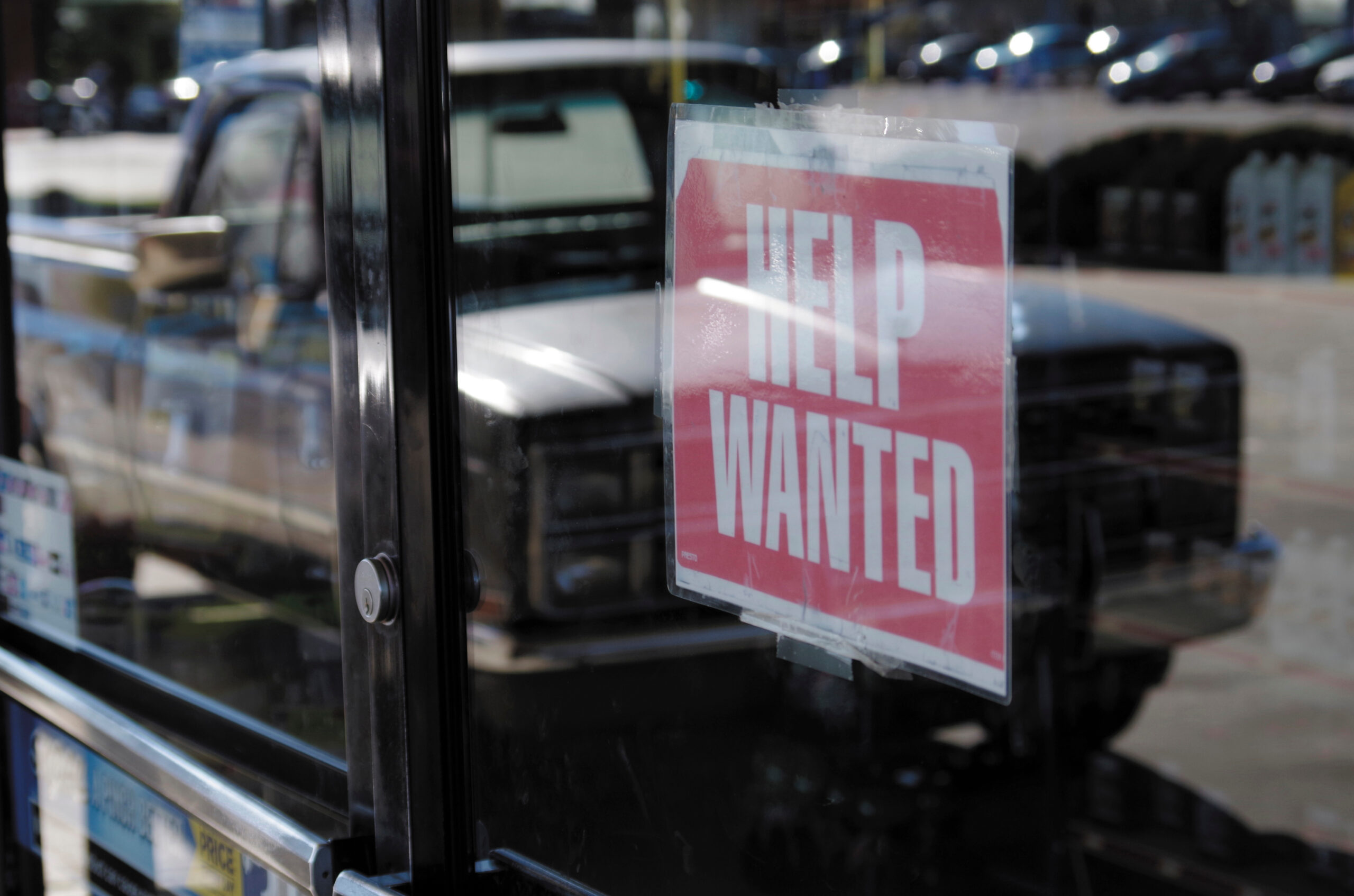
August 24, 2026 // Workers on strike can receive up to six weeks of benefits. Unemployment is available following the second Sunday after a strike begins, plus a one-week waiting period. Typical unemployment insurance is offered for up to 26 weeks. The six weeks for striking workers was the result of negotiations between House and Senate Democrats. A person seeking unemployment benefits must show they are available and actively seeking suitable work. For each week they submit a claim, the person must complete three job search activities and keep a record of their efforts. They also must be signed up with a WorkSource employment center in the state, or an equivalent if they live in another state.
Three Takeaways From Our Investigation Into a Shady New York Union
August 21, 2026 // Our investigation into the union — International Brotherhood of Trade Unions, or IBOTU — found that it enriches its leaders at the expense of its members, who are low-wage workers in grocery stores, ambulance companies, and home health care, among other industries. The union has repeatedly been targeted by federal regulators for labor law violations, and some of its leaders have been arrested for criminal activity. IBOTU is also a family business: three of its current top officers married the founding president’s daughters. All three currently make about $1 million per year.

Op-ed: Los Angeles Schools Run Out of Other People’s Money
August 11, 2026 // Covid dollars from Washington turbocharged hiring at public schools and papered over their structural budget problems. But now that the federal money is drying up, the red ink is starting to gush. According to the Labor Department’s monthly jobs report on Friday, local government education shed 49,600 jobs in July—the leading contributor to the nation’s 23,000 employment decline. Ground zero is the Los Angeles Unified School District, the country’s second largest. Its overseers at the Los Angeles County Office of Education last month warned that the district meets the criteria for a “Lack of Going Concern” designation. In the business world, the terminology means a company is at risk of going bankrupt.
Illinois Federation of Teachers educators aren’t getting what they’re paying for
August 5, 2026 // Less than 28% of IFT’s spending in 2025 was on representing teachers, according to the union’s annual report filed with the U.S. Labor Department. The rest was on politics, overhead and other union leadership priorities.
Illinois Federation of Teachers: 7 things the union doesn’t want teachers to know
August 4, 2026 // IFT represents educators in more than 200 districts across Illinois. But teachers’ zip codes dictate how much support they actually get from the union.
Senate committee advances Sonderling’s labor nomination
July 31, 2026 // U.S. senators voted on Thursday to advance the nomination of Keith Sonderling, President Donald Trump’s pick to lead the U.S. Department of Labor. Lawmakers on the Senate Health, Education, Labor and Pensions committee, in a 12-11 vote, advanced Sonderling’s nomination to lead the Labor Department. The former secretary, Lori Chavez-deRemer, stepped down due to accusations of an improper relationship with a subordinate.