Posts tagged Migrant and Seasonal Agricultural Worker Protection Act
Op-ed: To High Praise and Hallelujahs, Trump Nominates Keith Sonderling for Secretary of Labor
June 30, 2026 // As Acting Secretary, Sonderling has strongly advocated for Trump's pro-business and pro-worker agenda, touting the manufacturing jobs that have been returned to the U.S., and has worked tirelessly to beef up and expand apprenticeships through the U.S. Department of Labor for small businesses and private-sector concerns. Under Biden's DOL, apprenticeships were issued through the major labor unions like the AFL-CIO and SEIU, effectively cutting out any private sector opportunities. Sonderling has also long been a champion for defined benefit pension plan sponsors to be able to use group annuities to protect pension benefits through pension risk transfers, and to allow employers to incorporate retirement plan options like cryptocurrency assets and private credit funds. But most pivotal, Sonderling is working hand-in-hand with the Fraud Task Force to eradicate the rampant unemployment insurance fraud.
100 State Leaders Urge Washington to Protect Independent Work
May 8, 2026 // That is why State Policy Network’s Center for Practical Federalism helped organize a coalition of 100 state leaders from 25 states in support of the US Department of Labor’s proposed rule clarifying independent contractor status under federal law. The coalition includes four statewide officials and 96 state legislators. The proposed rule would rescind the Biden administration’s 2024 independent contractor rule and replace it with a clearer standard for determining when a worker is an employee and when a worker may be classified as an independent contractor under the Fair Labor Standards Act, the Family and Medical Leave Act, and the Migrant and Seasonal Agricultural Worker Protection Act.

Trump Labor Department proposes rule redefining workplace violations for franchises
April 23, 2026 // The proposed rule sets four standards for use in every case of potential vertical joint employment: (1) whether the potential joint employer hires or fires the employee in question, (2) whether it supervises or controls the employee’s work schedule or conditions of employment to a “substantial degree,” (3) whether it controls the employee’s rate and method of pay, and (4) if it maintains the worker’s employment records. Wage and Hour Division Administrator Andrew Rogers said that the proposal would “deliver much-needed regulatory clarity in the face of divergent judicial precedent throughout federal courts of appeals.”
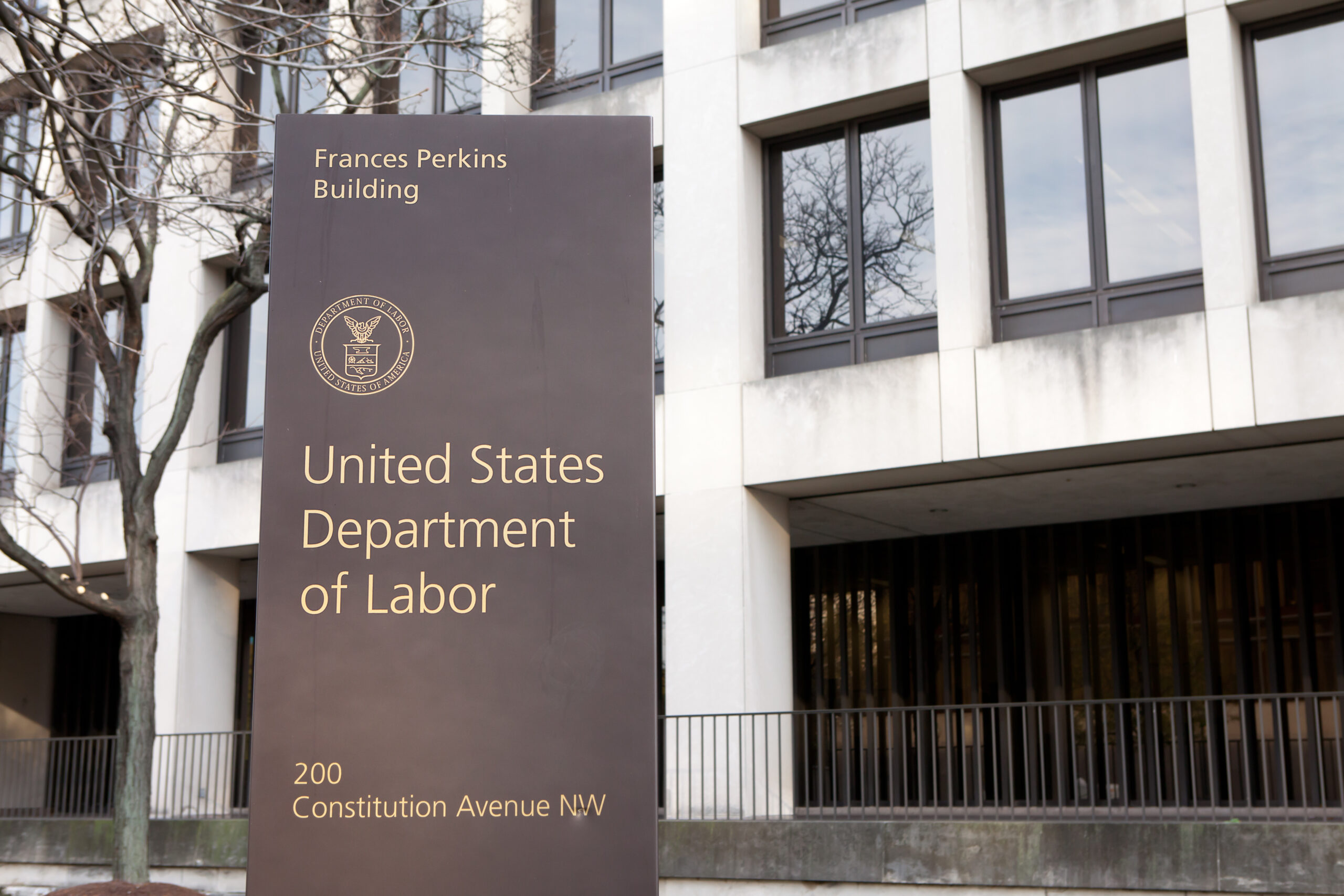
DOL moves to loosen independent contractor regulations
February 27, 2026 // The rule would replace the Biden-era “totality-of-the-circumstances” framework used to determine whether a worker was an independent contractor or an employee. At the time, SHRM said the 2024 rule “fosters ambiguity, deterring businesses from extending essential training to independent workers, a detrimental scenario for both parties involved.”