Posts tagged Wage and Hour Division
Acting Labor Sec. Sonderling likely to move up to top job
April 28, 2026 // Sonderling, 43, is a veteran of Trump's first administration, in which he served as acting administrator of the Labor Department's Wage and Hour Division and later as a member of the Equal Employment Opportunity Commission. The West Palm Beach attorney and grandchild of Holocaust survivors has been widely considered a voice for conservatives within the Labor Department. This contrasts with Chavez-DeRemer, who was appointed largely due to support from Teamsters union President Sean O'Brien and drew criticism on the right for her past opposition to right-to-work laws.
Labor Department’s reworked joint employer rule restores common sense
April 23, 2026 // The Labor Department came out with a draft rework of its joint employer rule. CEI labor policy expert Sean Higgins points to some good fixes but underscores the need for Congress to reform the law instead of leaving decisions to regulators:

Trump Labor Department proposes rule redefining workplace violations for franchises
April 23, 2026 // The proposed rule sets four standards for use in every case of potential vertical joint employment: (1) whether the potential joint employer hires or fires the employee in question, (2) whether it supervises or controls the employee’s work schedule or conditions of employment to a “substantial degree,” (3) whether it controls the employee’s rate and method of pay, and (4) if it maintains the worker’s employment records. Wage and Hour Division Administrator Andrew Rogers said that the proposal would “deliver much-needed regulatory clarity in the face of divergent judicial precedent throughout federal courts of appeals.”

Trump taps veteran labor lawyer to fill out Republican NLRB majority
April 14, 2026 // Trump's appointees are expected to target a series of labor board policies favored by unions that have helped fuel a spike in union organizing in recent years. But board rules require three members to vote in favor of overruling existing precedent, and Murphy and Mayer said during confirmation proceedings that they would not break with that practice. Murphy and Mayer have already revived a rule adopted by the NLRB during Trump's first term that makes it more difficult to hold companies liable as the "joint employers" of contract and franchise workers, and relinquished jurisdiction over a case involving Elon Musk's SpaceX to a different federal labor agency.

Commentary: Freelancers are not victims. Federal regulations should stop victimizing us
April 7, 2026 // The Trump 2026 IC rule follows the framework of the Trump 2021 IC rule, but applies modifications to the Fair Labor Standards Act (FLSA), Family and Medical Leave Act (FMLA), and the Migrant and Seasonal Agricultural Workers Protection Act (MSPA). The modifications narrow previously broad language on what constitutes an “employee,” while delineating that independent contractors are not employees. The 2026 IC rule further nullifies the six-factor “economic reality” test housed in the 2024 Biden IC rule.

Commentary: The Federal Government Just Moved to Restore the Owner-Operator Model – Here Is What Actually Changed, What Did Not, and What You Still Need to Watch
March 16, 2026 // Three times in five years. That is how many times the federal standard governing whether an owner-operator is legally classified as an independent contractor or an employee has fundamentally shifted under the Fair Labor Standards Act. The 2021 Trump rule. The 2024 Biden rule. And now, on February 27, 2026, the Department of Labor’s formal proposal to rescind the 2024 rule and return to something close to the 2021 framework. Each time this pendulum swings, the trucking industry produces a wave of celebration or alarm depending on which direction it moved. The industry’s reaction to this latest move has been heavily celebratory — and not without reason. But if you are running a small fleet or operating as an owner-operator, the celebration needs to come with a clear-eyed understanding of what this rule change actually does, what it does not do, and where the real risk to your business model still sits.
Op-ed: LABOR SEC CHAVEZ-DEREMER: Our plan to rescind the Biden independent contractor rule
March 15, 2026 // In that spirit, the Department of Labor’s Wage and Hour Division released a proposed rule that provides clarity to help workers and employers alike determine when a worker is properly classified as an independent contractor and when that worker is an employee owed rigorous protections under the Fair Labor Standards Act (FLSA). In proposing this rule, we celebrate the decisions of Americans who choose to test their entrepreneurial spirit — the same spirit on which our country was founded 250 years ago.
DOL moves to loosen independent contractor regulations
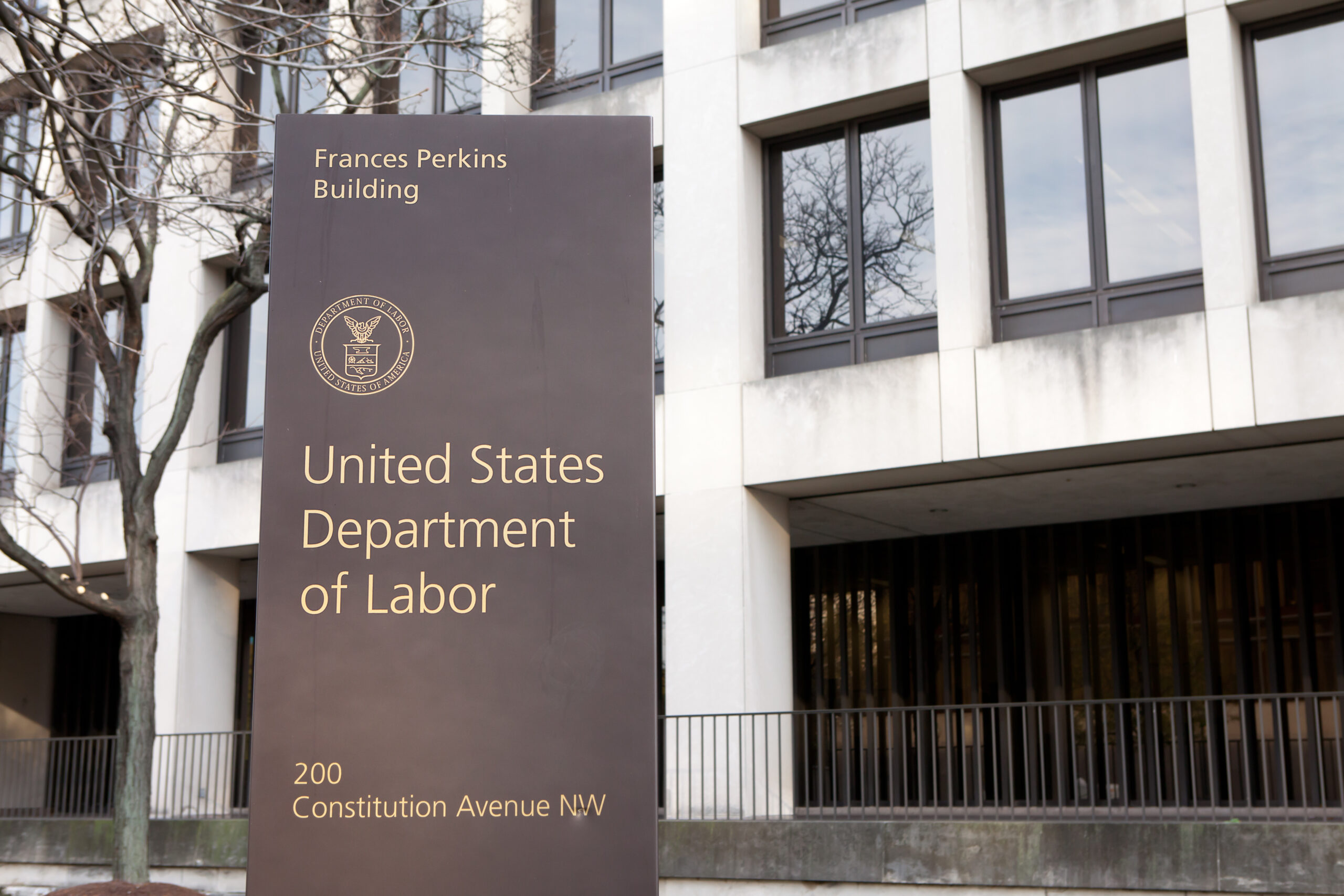
February 27, 2026 // The rule would replace the Biden-era “totality-of-the-circumstances” framework used to determine whether a worker was an independent contractor or an employee. At the time, SHRM said the 2024 rule “fosters ambiguity, deterring businesses from extending essential training to independent workers, a detrimental scenario for both parties involved.”

Testimony: Rachel Greszler: Labor Law Reform Part 1: Diagnosing the Issues, Exploring Current Proposals
October 10, 2025 // SummaryToday’s challenges—from the rise of artificial intelligence to the expansion of independent work and the growing demand for flexibility, autonomy, and new skills—necessitate modernized labor laws that are pro-worker and pro-employer, regardless of the type of workplace. Heavy-handed government interventions and attempts to bring back the 1950s’ ways of work are not the answers. American labor laws should preserve the freedom, dignity, and opportunity that make American work exceptional.
Chair Cassidy, Scott, Paul Release Legislative Package Empowering Independent Workers to Access Portable Benefits
July 7, 2025 // “We applaud Sen. Cassidy for striving to ensure independent contractors can be protected and receive benefits similar to employees without jeopardizing their entrepreneurship or independence. The Unlocking Benefits for Independent Workers Act supports independent contractors and freelancers by allowing businesses to provide benefits without redefining worker status. In today’s evolving economy, flexible work shouldn’t come at the cost of healthcare or retirement security. This legislation helps ensure that all American workers – regardless of classification – can have access to benefits like health care and retirement plans,” said F. Vincent Vernuccio, J.D., President, Institute for the American Worker.