Posts tagged state lawmakers

Report: The diminishing power of teacher unions
May 29, 2026 // The result is A Crowded Table: Teacher Union Strength in 2026. Building on our original study, the authors set out to gauge teacher union strength in each of the 50 states and the District of Columbia (D.C.). Collectively, the 59 measures—which include 29 new measures that were not in the original report—seek to quantify union strength in five key areas: Resources and Membership; Involvement in Politics; Labor and Bargaining Policies; Policy Wins and Losses; and Perceived Influence, which draws from an original survey examining how stakeholders in each of the 50 states and D.C. perceive teacher union strength today. The states with the strongest teacher unions are Vermont, California, Massachusetts, New Jersey, and Hawaii. The states with the weakest teacher unions are Arkansas, Oklahoma, Tennessee, North Carolina, and Mississippi. (See our interactive table on the report website for the overall rankings alongside the rankings for each of the five areas.)
Supreme Court ruled public sector workers cannot be forced to pay dues; unions take them anyway
October 28, 2023 // After the Janus ruling, Ms. Quezambra sought to invoke her rights to stop the involuntary union dues payments, demanding she be refunded going back to 2013. The union refused on the grounds that she had allowed the union to make the deductions. This was news to Ms. Quezambra. The union “presented Ms. Quezambra a membership and dues deduction authorization card containing a forged signature that she purportedly signed. Ms. Quezambra did not sign this card,” her complaint states.
Should Legislative Aides Unionize?
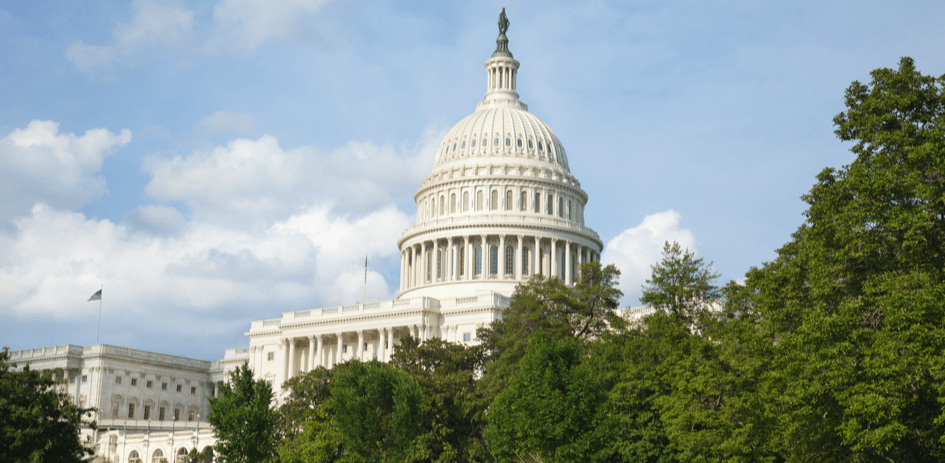
March 22, 2022 // The constituents who were not being served by their Washington State Democratic lawmakers while the staff staged a work stoppage paid a price even before unionization could take effect at the state capitol. Imagine if a strike lasted more than a day or two, while legislative staffers carried out a union’s bidding rather than the work they were hired to do by the elected official and the American voter. And therein lies another issue entirely: Unions do not answer to the voters.