
Posts tagged Independent Contractor
Minnesota Small Businesses Challenge Independent Contractor Statute
March 25, 2026 // NFIB joined a coalition of business organizations in filing a lawsuit in Minnesota state court challenging the new independent contractor test that was passed in 2024 as part of the Jumbo Omnibus Bill, H.F. 5247. The statute enacts a rigorous fourteen-factor test for determining the classification of independent contractors and imposes extreme financial and criminal penalties for even well-meaning small businesses should they fail to comply. J&M Consulting

Commentary: The Federal Government Just Moved to Restore the Owner-Operator Model – Here Is What Actually Changed, What Did Not, and What You Still Need to Watch
March 16, 2026 // Three times in five years. That is how many times the federal standard governing whether an owner-operator is legally classified as an independent contractor or an employee has fundamentally shifted under the Fair Labor Standards Act. The 2021 Trump rule. The 2024 Biden rule. And now, on February 27, 2026, the Department of Labor’s formal proposal to rescind the 2024 rule and return to something close to the 2021 framework. Each time this pendulum swings, the trucking industry produces a wave of celebration or alarm depending on which direction it moved. The industry’s reaction to this latest move has been heavily celebratory — and not without reason. But if you are running a small fleet or operating as an owner-operator, the celebration needs to come with a clear-eyed understanding of what this rule change actually does, what it does not do, and where the real risk to your business model still sits.
Op-ed: LABOR SEC CHAVEZ-DEREMER: Our plan to rescind the Biden independent contractor rule
March 15, 2026 // In that spirit, the Department of Labor’s Wage and Hour Division released a proposed rule that provides clarity to help workers and employers alike determine when a worker is properly classified as an independent contractor and when that worker is an employee owed rigorous protections under the Fair Labor Standards Act (FLSA). In proposing this rule, we celebrate the decisions of Americans who choose to test their entrepreneurial spirit — the same spirit on which our country was founded 250 years ago.
Commentary: The Uber Narrative
March 2, 2026 // This policy issue isn’t primarily about Uber, no matter how many media outlets try to frame it that way. It’s about us all, and about whether we are going to allow our government to restrict our freedom to be entrepreneurial.
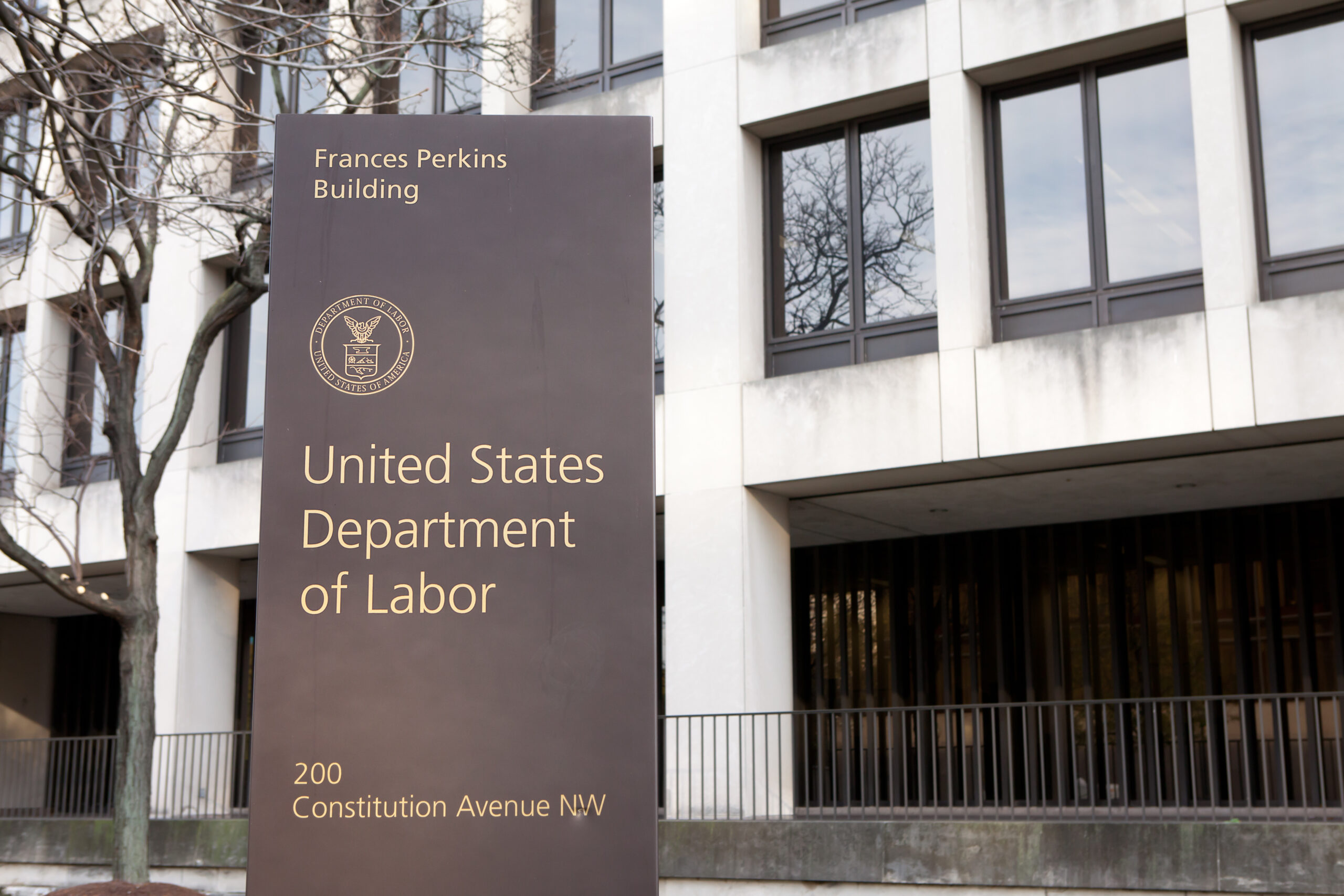
DOL moves to loosen independent contractor regulations
February 27, 2026 // The rule would replace the Biden-era “totality-of-the-circumstances” framework used to determine whether a worker was an independent contractor or an employee. At the time, SHRM said the 2024 rule “fosters ambiguity, deterring businesses from extending essential training to independent workers, a detrimental scenario for both parties involved.”
Employers Ask NLRB To Return To 2019 Contractor Test
February 17, 2026 //
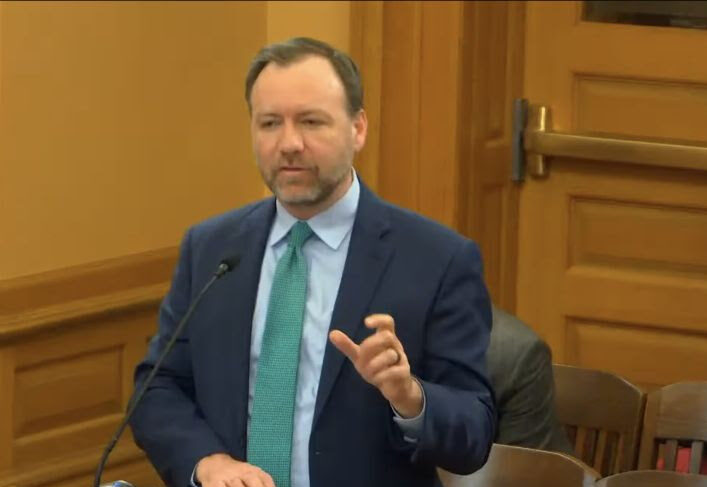
WATCH: I4AW’s Jonathan Wolfson Testifies Again: Portable Benefits Bill Considered in Kansas House of Representatives
February 11, 2026 // Visiting Fellow Jonathan Wolfson testified before the Kansas House of Representatives to offer expert analysis on HB 2602, a state bill that would allow businesses that hire independent workers to pay for benefits like retirement accounts or insurance without risking being punished by the government for "misclassifying" the freelancer as an independent worker instead of an employee.
Kim Kavin Commentary: It’s Not There
January 22, 2026 // New Jersey's Office of Administrative Law confirms that Governor Murphy's independent-contractor rule is not adopted, as Governor Sherrill takes over.
Labor troubles in Mamdani’s backyard
January 6, 2026 // A senior official on Abdelhamid’s campaign who requested anonymity to discuss internal matters said Teschner’s contract “was prepared for an independent contractor role,” but “she requested to be onboarded as a W-2 employee due to the temporary nature of campaign work and eligibility for unemployment benefits, which delayed finalizing the contract.” “The campaign explored that request but did not have the legal or payroll infrastructure to accommodate it,” the campaign official continued. “When informed that the role would need to remain a 1099 position, she indicated her fee would increase by $500.” “Given the misalignment between the structure she requested and the campaign’s capacity,” the official continued, “the arrangement was not a fit.”
New Jersey: ‘Billions of Dollars’
December 22, 2025 // Gonzalez and Asaro-Angelo are not the only people who have used the word billions. At the federal level, U.S. Congressman Bobby Scott of Virginia claimed in a January 2024 press release that misclassification was a nearly $4 billion per year problem—citing this research from, you guessed it, the Economic Policy Institute. But in December 2024, the U.S. Department of Labor announced that since January 2021—after nearly four full years of the Biden administration prioritizing the issue of employee misclassification nationwide—it had recovered only about $41 million in back wages for some 28,000 workers.