Posts tagged automation
California’s $20 fast food wage could have hidden effects, study suggests
September 10, 2026 // According to a UC Santa Cruz study released in 2026, fast-food employment growth in California slowed significantly after the wage hike compared with neighboring states. Researchers argued that while total job losses may not appear dramatic on paper, hiring activity and expansion plans may have quietly weakened across parts of the industry.
Uber drivers say Waymo robotaxis are driving down their pay
August 31, 2026 // The Atlanta Rideshare Drivers Union is claiming that drivers have reported lower pay, longer waits between rides, and fewer fares since Waymo began offering its service in the city last June, Axios reports. As such, the union is calling on city and state leaders to curb Waymo’s expansion — and to consider some measures to easen its disruptive effects on their livelihoods.
The Teamsters’ Union Pacific-Norfolk Southern opposition sacrifices the wrong members
July 21, 2026 // As an initial matter, consider the composition of the Teamsters' 1.3 million members. Somewhere between 45% and 55% work in trucking, parcel, freight, and warehouse operations. Roughly 20% to 25% hold public sector jobs. Airline employees account for 8% to 10%. Manufacturing, healthcare, construction, and sanitation fill in another 15% to 20%. Rail workers? Just 6% to 10% of the total membership. Put differently, for every Teamster who works on the railroad, there are roughly six who drive a truck, load a parcel or work a warehouse. Now, the opposition begins to make more sense. It is not really about rail workers at all through this merger. It is about protecting the union's much larger trucking, parcel, and warehouse divisions from a strengthened rail competitor.
Don’t Panic: A Skeptic’s Guide to the AI Jobs Doomsday
July 16, 2026 // Overall, US unemployment was 5.9 percent in mid-1979 and 5.3 percent by mid-1989.[25] During this same period the working-age population swelled by 21.5 million, or about 13 percent.[26] So, while some manufacturing jobs were lost, overall unemployment actually declined slightly over that period despite an increase in job seekers. New jobs in new fields were created by automation. Somebody had to operate the machines, build and maintain them, and transport them to foreign countries. This is the nature of automation: It focuses on eliminating the more tedious tasks, freeing up time, labor, and resources for other pursuits.
Report dispels AI jobs doomsday fears
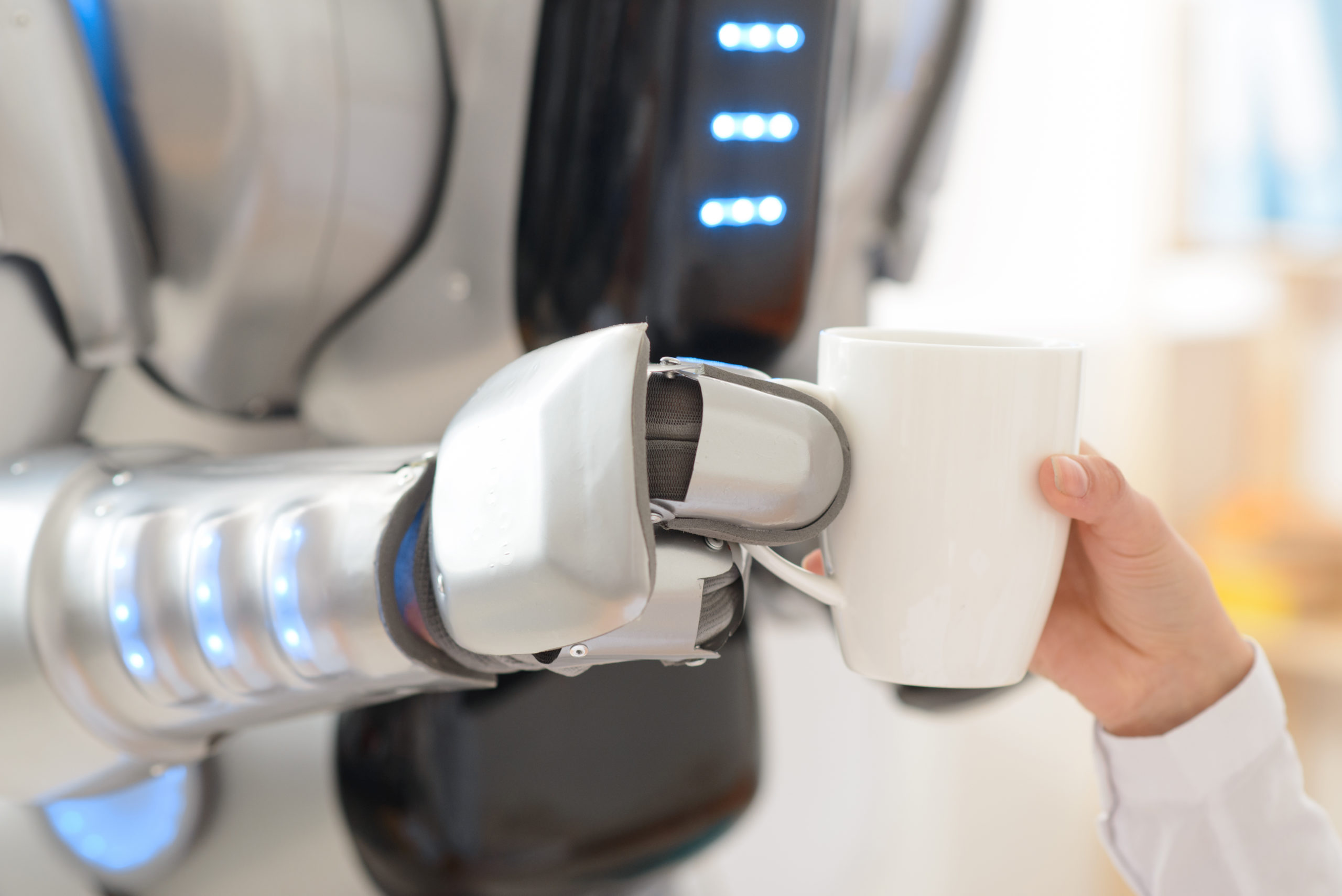
July 10, 2026 // A new Competitive Enterprise Institute report examines what the AI revolution will mean for the future of labor by examining technology disruptions of the past. “Technology advances like artificial intelligence can breed fear that ‘progress’ will destroy jobs and livelihoods,” said Sean Higgins, CEI research fellow in labor studies and author of the report, Don’t Panic! A Skeptic’s Guide to the AI Jobs Doomsday. “History teaches us labor-related technology fears are usually misplaced.”
A $20 minimum wage sounded like a win—until these 5 consequences kicked in
June 26, 2026 // California’s $20 minimum wage sounded like a win—until these five ripple effects hit workers, prices, and jobs. Here’s what leaders need to know to design business models that actually work. A recent University of California Santa Cruz study quantified a pattern every leader should recognize before issuing a mandate: When you impose rapid cost change on a complex system, you get unintended consequences.
GM has two weeks before a strike could hit Silverado and Sierra production
June 2, 2026 // Dauch Corp is responsible for the production of axles and other driveline parts that are essential to the production of GM's truck lineup, which, as we know, are some of the most popular and best-selling models in the brand's lineup. According to the report, GM has about two weeks of axle inventory to keep building trucks unhampered; this was confirmed by two people familiar with the matter to Reuters. GM is said to be monitoring the situation closely and assessing any potential impact, while Dauch Corp called the work stoppage a disappointment.
SoFi Stadium workers set to vote on strike ahead of World Cup
June 1, 2026 // The union has made demands that include, according to The Athletic: –A guarantee that U.S. Immigration and Customs Enforcement agents will not be allowed on venue grounds during the World Cup, saying their presence could jeopardize employee safety. Government officials have said ICE agents would be on hand with security and not immigation enforcement their primary duty. –Restricted use of subcontractors. –No use of automation or artificial intelligence that could cause the loss of union jobs. –Release of information to the union that would detail things such as work hours or the distribution of tips and service charges.
Unions Attack AI for Menacing Human Jobs
May 1, 2026 // Last week, the leaders of some of the largest trade unions in the US came together for a conference with Vermont Senator Bernie Sanders, Axios reports. Together, they presented a united opposition against tech companies pushing AI and robotics into labor, renewing Sanders’ call for a pause on AI development until there are ample safety nets in place to catch workers whom labor leaders fear will be displaced. “We are here to sound the alarms on AI,” president of stories AFL-CIO Liz Shuler said at the press conference. “This race that everybody seems to think we’re in to advance AI at all costs — with no guardrails or protections for people — is reckless and dangerous.”
Opinion GOP’s fatal attraction to unions is the start of a bad romance
April 21, 2026 // Instead of offering flowers and chocolates, they aim to impress labor by slicing up the PRO Act and feeding it piecemeal to the rest of the GOP. The Faster Labor Contracts Act, sponsored by Hawley and Rep. Donald Norcross (D-NJ), is the first portion. It would allow federal mediators to essentially write union contracts for newly organized workplaces, if businesses and unions can’t agree on terms within four months of a union’s workplace-election win.