Posts tagged Nicole Malliotakis
House-Passed Faster Labor Contracts Act Is a Disgrace to Free Enterprise
June 18, 2026 // Setting a dangerous precedent, House Democrats and a few unprincipled Republicans today voted to pass the Faster Labor Contracts Act,” said ABC President and CEO Michael Bellaman. “The FLCA imposes arbitrary and unrealistic deadlines on employers to finalize negotiations with newly elected unions or face ‘binding interest arbitration of first contracts.’ In practice, this means, for the first time in American history, a federal government bureaucrat will appoint an individual to dictate exactly what is included in a contract between two private negotiating parties.

Op Ed: Workers deserve a vote
April 28, 2026 // Collective bargaining in this industry works because both sides have to live with what they negotiate. An arbitrator on a federal deadline doesn’t have to live with anything. They write the contract and move on. But the district and the workers are stuck with it for two years. That’s the bill’s core flaw: it assumes labor negotiations only ever go slowly because of bad faith, but really, they often just take time to get right. Rushing that process and handing the outcome to an outside panel doesn’t produce better contracts.
Opinion GOP’s fatal attraction to unions is the start of a bad romance
April 21, 2026 // Instead of offering flowers and chocolates, they aim to impress labor by slicing up the PRO Act and feeding it piecemeal to the rest of the GOP. The Faster Labor Contracts Act, sponsored by Hawley and Rep. Donald Norcross (D-NJ), is the first portion. It would allow federal mediators to essentially write union contracts for newly organized workplaces, if businesses and unions can’t agree on terms within four months of a union’s workplace-election win.
WSJ Op-ed: Republicans for Federal Worker Collective Bargaining
December 15, 2025 // The 20 GOP union abettors are Don Bacon (Neb.), Mike Bost (Ill.); Brian Fitzpatrick, Robert Bresnahan and Ryan Mackenzie (Pa.); Gabe Evans (Colo.); Andrew Garbarino, Nick LaLota, Michael Lawler, Nicole Malliotakis (N.Y.); David Joyce and Michael Turner (Ohio); Thomas Kean Jr., Christopher Smith and Jefferson Van Drew (N.J.); Mariannette Miller-Meeks and Zachary Nunn (Iowa); Pete Stauber (Minn.); David Valadao (Calif.) and Derrick Van Orden (Wis.). Many of these Republicans represent swing districts, but making government less efficient and responsive to the American people is unlikely to help them win re-election.
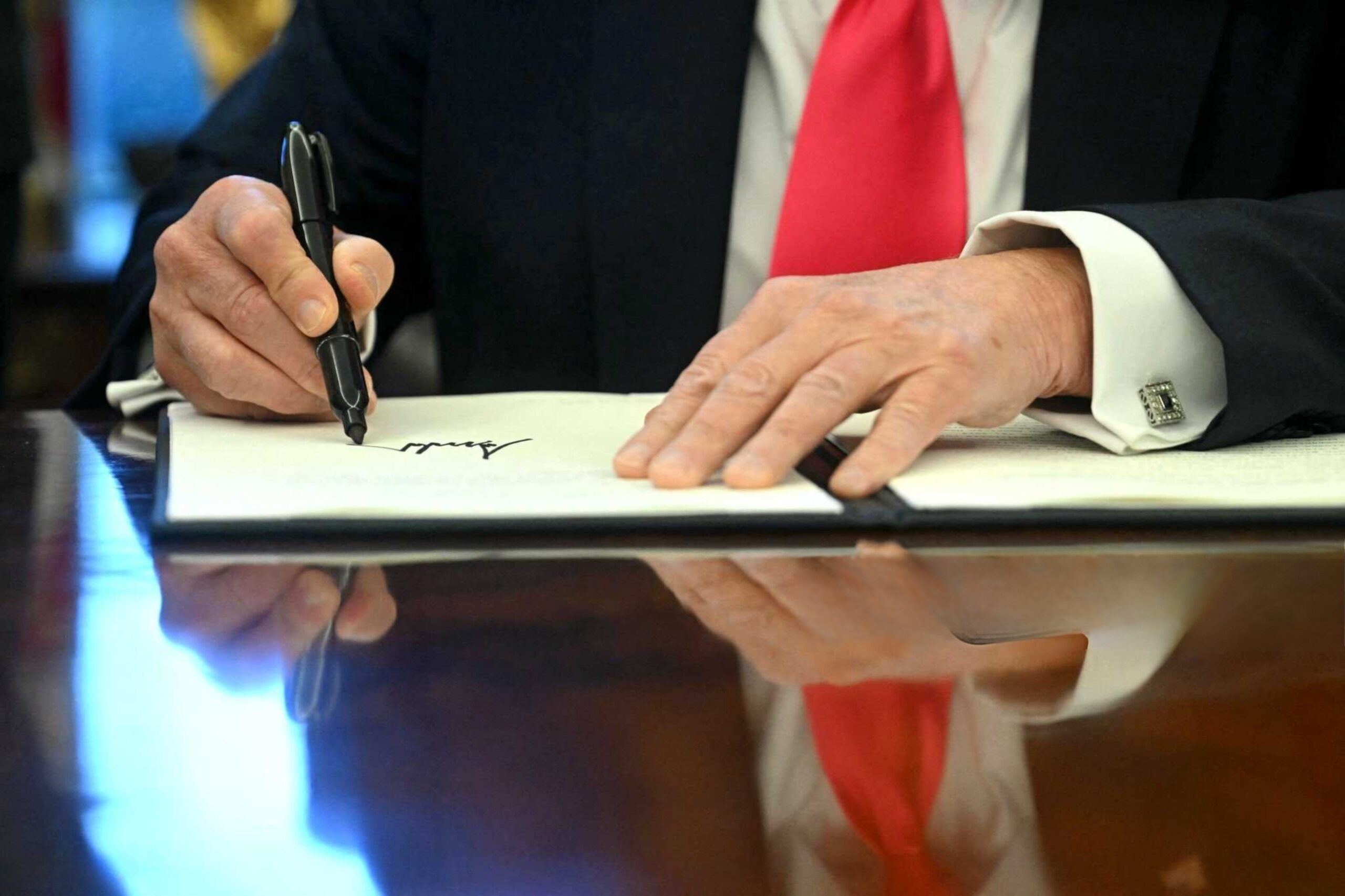
13 Republicans Vote to Nullify Donald Trump’s Executive Order
December 11, 2025 // Democratic Representative Jared Golden, who led the bill, forced a vote on it by using a mechanism known as a discharge petition. The Congressional procedure means lawmakers can force a vote on a piece of legislation against the wishes of the leadership on the condition that it has majority support in the House.