Posts tagged Democratic lawmakers
Trump strips civil service protections from thousands of workers
June 8, 2026 // The reclassification is part of a wider campaign by Trump to downsize the civil service and realign it toward his policy goals. The administration has developed rules to have federal employees sign nondisclosure agreements, extend suitability standards, end certain layoff protections, cap performance ratings and weaken safeguards for probationary workers. Office of Personnel Management Director Scott Kupor told reporters the administration needs people in policy-making positions willing to carry out the president’s directives. It doesn’t matter what political views those federal employees may have, he said. “But if you allow those views to basically interfere with your willingness to actually carry out lawful orders and policy directives of the administration, then this provides a mechanism, obviously, for people in those agencies to be able to be removed effectively at will,” Kupor said.
States’ substitutes for NLRB falter in court
January 5, 2026 // Troy Nunley, the chief judge in the Eastern District of California, ruled that the bulk of the state statute is in conflict with the National Labor Relations Act and therefore is preempted by federal law. “In some respect, the Board’s inability to fully function due to the lack of quorum shows the NLRA is operating as intended,” wrote Nunley, an Obama appointee. “The Court thus cannot conclude the loss of quorum equates to the NLRB ceding its jurisdiction over any particular matter.”
Gov. Jared Polis’ coming labor bill veto will strain Democrat’s labor ties — and set stage for ballot fight
May 15, 2025 // Polis has said that Colorado’s 81-year-old labor law has worked well and that he wants maximum employee input in negotiating union dues. He added Thursday that he wanted a deal that would bring stability to business-labor relations in the state, referring to fears that a change to the status quo would usher in a tug-of-war over competing ballot measures and legislation. Asked about Polis’ skeptical views of SB-5, Dougherty said those were concerns “that were not relayed to us when he was running for governor.”
Unions are having a moment. So why isn’t union membership booming?
March 30, 2023 //
Illinois: Labor amendment remains on November ballot after court blocks petition
August 31, 2022 // Amendment 1 would create a state constitutional right for employees to organize and bargain collectively through representatives of their choosing to negotiate wages, hours, and working conditions and to protect their economic welfare and safety at work. The case, Sarah Sachen v. Illinois State Board of Elections, was brought by parents and teachers from Chicago Public Schools and claimed the proposed amendment would unconstitutionally enshrine union powers in the Illinois Constitution. Attorney General Kwame Raoul, Citizen Advisory Coalition to Save Illinois,
Public Employees Rally Around Labor Reform in Pennsylvania
March 15, 2022 // The Pennsylvania House Labor and Industry Committee eventually passed four of the bills that were discussed by the committee that day. The bills would: Keep public employees’ personal information private; let employees see full contracts before they’re voted on; require employers to tell public employees they have the right to choose whether or not to join or pay a union; and stop public employers from using public funds to collect political donations for the unions.
Some House Democrats Support Unions, Just Not in Their Own Offices
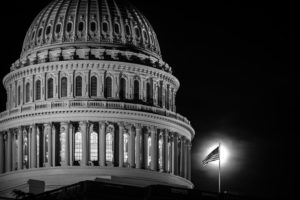
February 25, 2022 // Sixty-six members of the House of Representatives who co-sponsored the Protecting the Right to Organize Act (PRO Act) last year have yet to support a resolution by Rep. Andy Levin (D-MI) that would create a legal framework for Hill staffers to unionize their offices in Congress.
Polis, Democratic lawmakers and local governments are all squaring off over public bargaining rights
February 20, 2022 // Today, only 15 of Colorado’s 272 municipalities have collectively bargained agreements with any part of their workforce, and almost all of those contracts are with police and firefighters. Just about a quarter of school districts have collective bargaining, too.