Posts tagged Supply chain
Shippers want rail service reform even if unions ratify contracts
October 6, 2022 // Both BLET and SMART-TD said last Thursday that they finally reached a tentative agreement with the railroads, and that agreement will be sent to union members in the coming weeks for approval. The Association of American Railroads estimated that a strike would have cost the U.S. economy as much as $2 billion a day. Shippers lobbied Congress to ensure that the tentative labor deals were reached to prevent a strike.
Amazon raises hourly wages by about $1 amid increasing union pressure
October 3, 2022 // Over the next year, Amazon will dedicate nearly $1 billion to increasing the average wages of its warehouse and transportation workers from about $18 to $19 per hour. Amazon will also expand access to Anytime Pay, a tool that allows employees to access up to 70% of their paychecks sooner than once every week or two. The company also added additional investment in career development programs, including the Amazon Intelligence Initiative. This program offers a 12- to 14-month course to help employees develop technical skills, with the ultimate goal of transitioning them into AWS-related engineering roles.
Tensions rise in West Coast port labor battles, with unions and management trading accusations
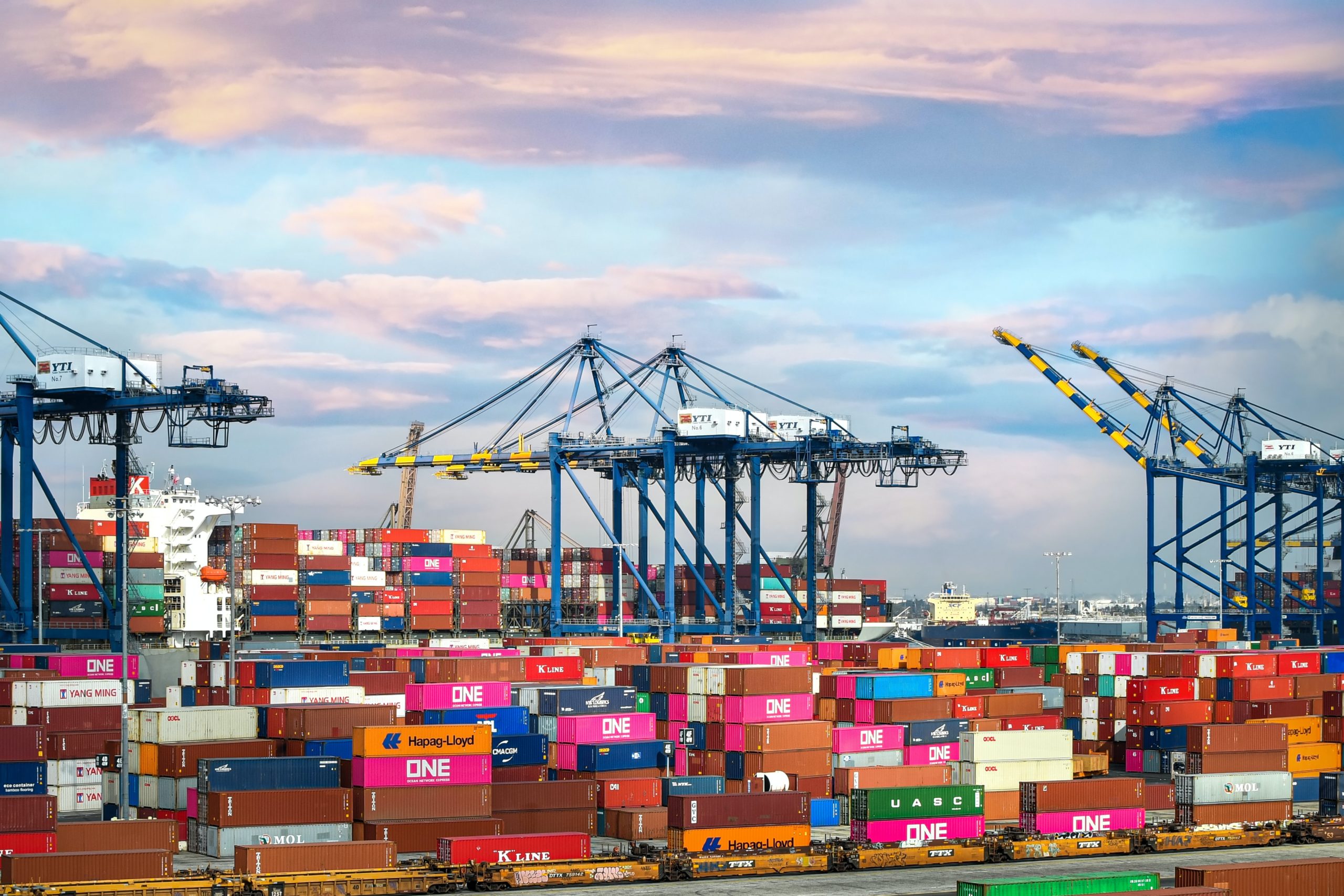
September 30, 2022 // The Port of Los Angeles diverted 40,000 containers to the Port of Long Beach in August when dockworkers at the Port of LA refused to work at the automated section of APM Terminals, the largest container-handling facility citing safety concerns. APM is a part of A.P. Moeller-Maersk A/S and the automation part of the terminal has been operating since 2020. Workers did not work at that facility for nearly four weeks. That diversion of containers to Long Beach, in addition to the continued re-routing of containers to the East Coast, led to the Port of New York to take the No. 1 spot in processing import and export containers in August. Port of Los Angeles fell to third.
Why Railway Unions Oppose the Deal Biden Helped Arrange
September 14, 2022 // The eventual proposal the PEB came up with seems on its surface pretty good for the workers: a 24 percent wage increase through 2024, with another 14 percent wage increase effective immediately. That would put the average pay for a rail worker at $110,000 per year by the end of the agreement, not counting benefits. About 10 of the 15 unions have taken the deal, but two of the large ones Sheet Metal Air Rail Transportation and the Teamsters Brotherhood of Locomotive Engineers and Trainmen have balked. They represent an estimated 66,000 workers and are demanding better sick leave and attendance policies.
U.S. freight railroads prepare for potential strike disruption
September 13, 2022 // A railroad work stoppage would cost the U.S. economy $2 billion per day in output and require 467,000 long-haul trucks daily to handle shipments diverted from rail - exceeding supply, the railroad association said. Chris Spear
Before the holiday season, workers at America’s busiest ports are fighting the robots
September 13, 2022 // The need for some kind of change is evident. The Ports of Los Angeles and Long Beach are consistently rated the least efficient in the world. More modern ports in the Middle East and China, where 24/7 operations are the norm, get ships in and out much faster.

Biden administration jumps into rail, union talks hoping to avert strike
September 8, 2022 // Such a work stoppage runs the risk of stymieing the U.S.’ supply chain at a point when the system is already strained, prices are historically high, and the peak season for agricultural commodities is just around the corner. Thirteen unions representing U.S. railroad workers have spent years renegotiating their contracts with carriers represented by the National Carriers’ Conference Committee. SMART-TD President Jeremy Ferguson, BLET President Dennis Pierce,
MCMAHON: On Labor Day, The Data Shows The Struggles Of Our Country’s Small Businesses And Workers
September 7, 2022 // Research from Alignable shows that 40% of small businesses could not pay their rent in August, and the most affected sectors are agriculture, automotive, restaurants, and education. And when you ask these small businesses if they think things will improve, research from CNBC Small Business Index demonstrates that 77% will tell you that they expect inflation to get worse, while 57% believe we are already in a recession.
Hormel workers at Corn Nuts plant go on strike
August 23, 2022 // While the strike at the California Corn Nuts plant is still in its infancy and unlikely to impact the supply of the crunchy snack, a long-term ordeal could eventually make its way to store shelves. The Fresno Bee, citing the union, noted the estimated 40 workers on strike include the entire production team. As a result, the facility will not make additional products until an agreement is reached.

Californifying the U.S. Labor Market
August 23, 2022 // The Biden administration came into office with a sweeping union agenda embodied in the PRO Act, which would have rewritten key elements of decades-old American labor law. Stymied in Congress, however, the administration now seems likely to impose at least one component of that legislation on the workplace through a Department of Labor rule that would narrow the definition of an independent contractor in ways similar to California’s controversial AB5 law. Doing so would likely upset employment policies and practices at a vast array of businesses nationwide, just as has happened in the Golden State, where freelancers lost work because companies couldn’t afford to employ them full-time and truckers recently shut down a port to protest efforts to end their independent status. In the post-Covid world, workers are seeking more flexibility in income-earning. The Biden administration’s effort, which views the independent contractor almost exclusively as an exploited worker denied the benefits of full employment, is a step backward for individual workers—but a gift to unions.