Posts tagged working conditions
Amid a federal security probe of MARTA, union workers seek safer working conditions
July 1, 2026 // A recent series of violent incidents around MARTA has drawn federal scrutiny to the transit authority’s safety measures. Meanwhile, MARTA employees say their attempts to sound the alarm about the changing nature of violence on buses and trains hasn’t produced results. GPB’s Amanda Andrews has more.
Seattle’s The Walrus and the Carpenter in Ballard closes amid union strike
June 24, 2026 // Owners of the popular establishment stated on social media that their security team documented instances of harassment, including name-calling and picketers spitting on guests. A notice posted at the restaurant now prohibits striking workers and picketers from entering the property.
House-Passed Faster Labor Contracts Act Is a Disgrace to Free Enterprise
June 18, 2026 // Setting a dangerous precedent, House Democrats and a few unprincipled Republicans today voted to pass the Faster Labor Contracts Act,” said ABC President and CEO Michael Bellaman. “The FLCA imposes arbitrary and unrealistic deadlines on employers to finalize negotiations with newly elected unions or face ‘binding interest arbitration of first contracts.’ In practice, this means, for the first time in American history, a federal government bureaucrat will appoint an individual to dictate exactly what is included in a contract between two private negotiating parties.
Nurses at Jefferson Einstein Philadelphia Hospital vote to authorize strike
June 16, 2026 // The Einstein Nurses United voted Monday to authorize a strike, weeks after nurses hit the picket line. They have been working without a contract for more than a month.
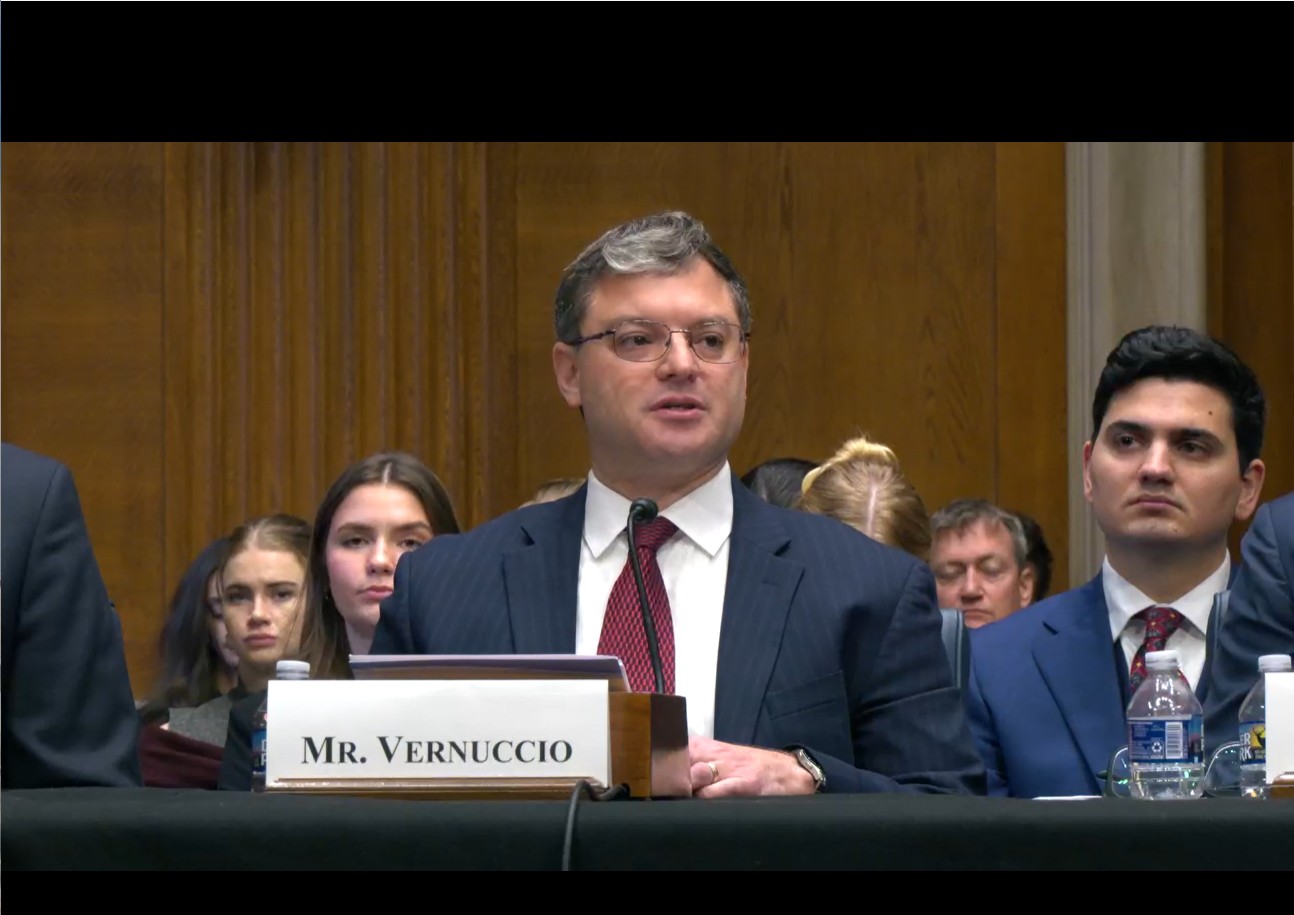
Exclusive: Group warns labor bill allows govt takeover of union contract negotiations
June 14, 2026 // Institute for the American Worker President Vinnie Vernuccio called the House-passed bill an example of “gross government overreach.” “There are better ways out there, things that increase collaboration, increase penalties even, to get people to negotiate,” Vernuccio told The Center Square. “Those are far preferable than government forced arbitration.”
The House Just Passed a ‘Pro-Worker’ Bill That Takes Power Away From Workers
June 11, 2026 // "Supporters of this bill assure businesses and workers that it is about worker empowerment and efficiency," Walberg said. "I may be misremembering the definition of empowerment, but I can guarantee it does not mean taking away a worker's right to vote on his or her own contract and giving that power to a Washington bureaucrat with no stake in the outcome."
Opinion: Marshall-backed bill threatens employer-employee relations
June 9, 2026 // Small business owners are not anti-worker. My employees are my neighbors. I want them fairly compensated and genuinely heard. A contract handed down by government arbitrators who have never stepped inside the doors of a given workplace — and who face zero consequences if their ruling forces it out of business — is not a voice for workers. Sen. Marshall has spent his career fighting for Kansas values against Washington overreach. I hope he will take a closer look at this bill and reconsider his support.

The Faster Labor Contracts Act Is a Backdoor for Union Leadership’s Political Agenda
May 28, 2026 // Here's what the FLCA's backers won't say out loud: mandatory arbitration doesn't just remove workers from the ratification process, it removes union leadership from the obligation to bargain in good faith. Why negotiate seriously when running out the clock gets you a government arbitrator who is far more likely to deliver the political contract provisions your members would have voted down? The FLCA doesn't just create a shortcut. It creates an incentive to stall.
How United Auto Workers grew from small Detroit union into national force
May 27, 2026 // "Prior to the sit-down strike at GM, they had 75 members," Marchioni said. The strike lasted 44 days and ended with General Motors recognizing the UAW. Afterward, union membership surged. "Two weeks later, they had 2,000 members and a year later, they had 75,000 members," Marchioni said.
Commentary: Mamdani Misreads What Gig Workers Want
May 21, 2026 // Arranged scheduling cuts directly against what gig workers value most: flexibility. More than 60 percent cite it as the main reason they chose this work, and few are interested in traditional, prescheduled jobs. They’re also more concerned about the lack of benefits than about wage rates. These realities underscore the wrongheadedness of Mamdani’s anti-gig campaign. A better approach would preserve flexible hours while expanding access to benefits. One promising model is a portable benefits system, in which workers and companies contribute to SEP IRA–style accounts that can be used to purchase health insurance, paid leave, or retirement plans. Numerous states—red and blue alike, from Tennessee to Maryland to Pennsylvania—have enacted portable-benefits systems for gig workers in recent years.