Posts tagged AFGE
Federal employees face reality of Schedule Policy/Career
July 8, 2026 // Trump administration officials have said the creation of Schedule Policy/Career aims to improve employee accountability and ensure the federal workforce is carrying out the president’s policy agenda. A senior administration official last month told reporters, “As long as employees are performing their job duties in a competent, professional manner,” then reclassified federal employees “have nothing to be afraid of.”
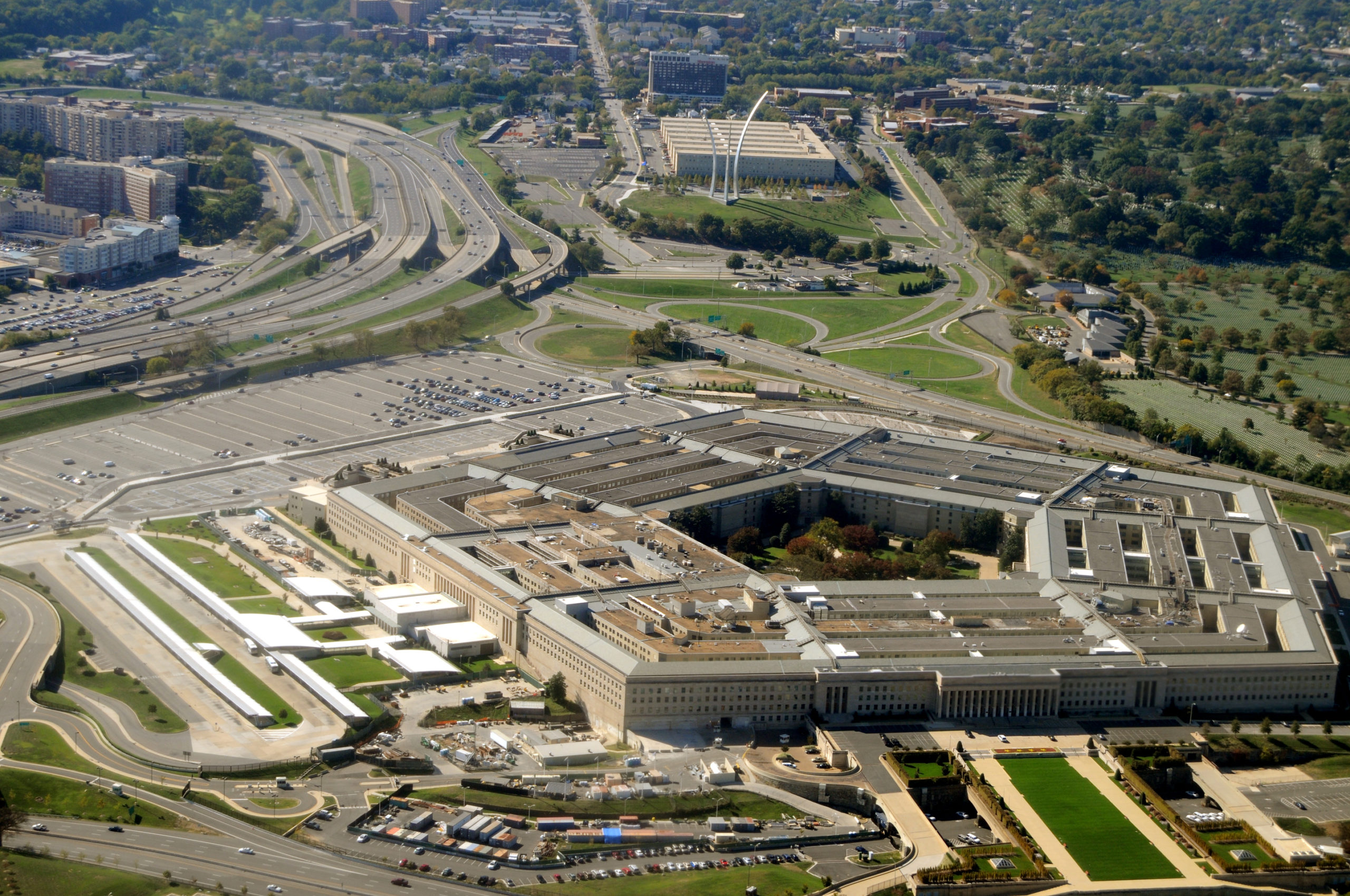
Unions sue DoD over termination of collective bargaining agreements
July 6, 2026 // In April, lawmakers asked Defense Secretary Pete Hegseth about his decision to cancel nearly all collective bargaining agreements across the department, Hegseth said he “fundamentally believes the Department of War should not be subject to collective bargaining. Full stop.”
Unions, others ask judge to block Trump administration’s USDA overhaul
July 3, 2026 // A group of unions, nonprofits and U.S. municipalities has asked a federal judge to block the U.S. Department of Agriculture's planned reorganization, including the relocation of more than 2,500 employees based in the District of Columbia
US judge blocks labor board’s Trump-era move to take control over union elections
July 1, 2026 // A federal judge on Monday blocked the U.S. agency that oversees union elections for federal employees from shifting authority over all labor representation decisions to its top body, which is dominated by Republicans appointed by President Donald Trump. Chief U.S. District Judge Denise Casper in Boston sided with, opens new tabeight unions who had sued to prevent the Federal Labor Relations Authority from stripping its regional directors of their decades-old power to decide cases themselves by having its three-member body of presidential appointees handle all of them.

AFL-CIO president aims to unionize 2 million workers in 5 years
June 9, 2026 // To get there, Shuler said the labor movement would turn out an additional 2 million voters to the polls this November along with 50,000 "trained election protectors." Shuler was addressing a crowd of hundreds of union members on the first day of the labor federation's national convention in downtown Minneapolis. The convention, which happens every four years, brings together representatives from 65 unions covering all sectors of the American economy, from Hollywood actors to Pittsburgh steelworkers.

Trump formalizes move of career federal workers into ‘at will’ roles
June 6, 2026 // An executive order signed by Trump on Wednesday seeks to move those workers into the new class, saying they would be “exempted from the adverse action procedures that make removals for poor performance or misconduct so difficult.” “Consequently, employees with significant policy-making responsibilities can stay in their jobs for years even if they perform poorly, engage in misconduct, or are unwilling to advance Presidential policy across administrations, making their agencies less capable of delivering for the American people,” the White House wrote in a fact sheet describing those now in the schedule as having “at-will positions.”
Trump administration proposes having all federal workers sign NDAs
May 28, 2026 // But the federal workforce’s largest union, the American Federation of Government Employees, decried the draft as an attempt to silence staffers, noting the proposal “sweeps in an extraordinarily broad category of information.” The union said it believes the administration will push agencies to require their employees to sign the NDA and then fire those who refuse.
Federal union leaders rally Fort Hood workers amid fears over contract terminations, employee rights and future of federal unions
May 11, 2026 // Throughout the evening, union leaders urged employees to stay engaged, document workplace issues and continue paying union dues through AFGE’s e-dues system. Kelley repeatedly stressed that the union’s strength depends on worker participation. “The union is you,” Kelley said. “You make it a union.” He encouraged workers to recruit coworkers and continue organizing despite uncertainty surrounding bargaining agreements.
Three-quarters of USDA researchers tapped to relocate tell union they’re not going
May 11, 2026 // USDA relocated hundreds of ERS and NIFA positions to Kansas City in 2019, but about 85% of impacted employees quit their jobs or retired, rather than relocate. The American Federation of Government Employees Local 3403, which represents USDA researchers, expects to see similar results this year. An internal survey conducted by the union found that 76% of its members have indicated they are not planning to relocate. AFGE Local 3403 said in a statement that these relocations, which are expected to go into effect by the end of the summer, will trigger a “brain drain” within the department.
Trump strips union rights from 1,400 Fort Drum and Rome defense workers
April 22, 2026 // President Donald Trump’s administration has stripped union rights from more than 1,400 civilians who work at Fort Drum and at the Defense Finance and Accounting Service in Rome, according to union officials. Defense Secretary Pete Hegseth ordered the move to terminate most collective bargaining agreements for civilian employees at the Defense Department, the officials said.