
Posts tagged National Federation of Federal Employees
Teachers’ Unions Are Losing One of Their Government Perks
July 22, 2026 // The question is not whether teachers unions should exist, but whether taxpayers should subsidize organizations that subsequently seek more taxpayer subsidy, often for actions the taxpayer wouldn’t otherwise support. Removing public subsidies forces unions to rely on voluntary member support, increases accountability, and keeps government resources focused on their proper purpose: educating children. The reforms in Idaho, Florida, and Arizona mark the beginning of a necessary correction.
National park workers in the Mountain West are unionizing. More may follow
July 14, 2026 // Park rangers, scientists, and administrative staff are among the non-supervisory staff represented. Last year, workers at Yosemite, Sequoia, and Kings Canyon national parks in California joined another union, the National Federation of Federal Employees.

Special Feature: How Public Employee Unions Built California’s Most Powerful Political Machine
July 13, 2026 // In California, public employee unions are often among the most influential organizations helping determine who becomes governor, mayor, county supervisor or school board trustee. They endorse candidates. They contribute millions of dollars to campaigns and independent expenditures. They provide campaign volunteers, voter outreach, mail programs, and political infrastructure that many candidates could not easily replace. By the time contract negotiations begin, the relationship between labor and management has often existed for months or years. That does not mean elected officials simply surrender to union demands. Many negotiate in good faith and work hard to protect taxpayers while fairly compensating public employees. But in government, the officials responsible for approving compensation packages are frequently supported by the same organizations representing the employees who will benefit from those agreements.
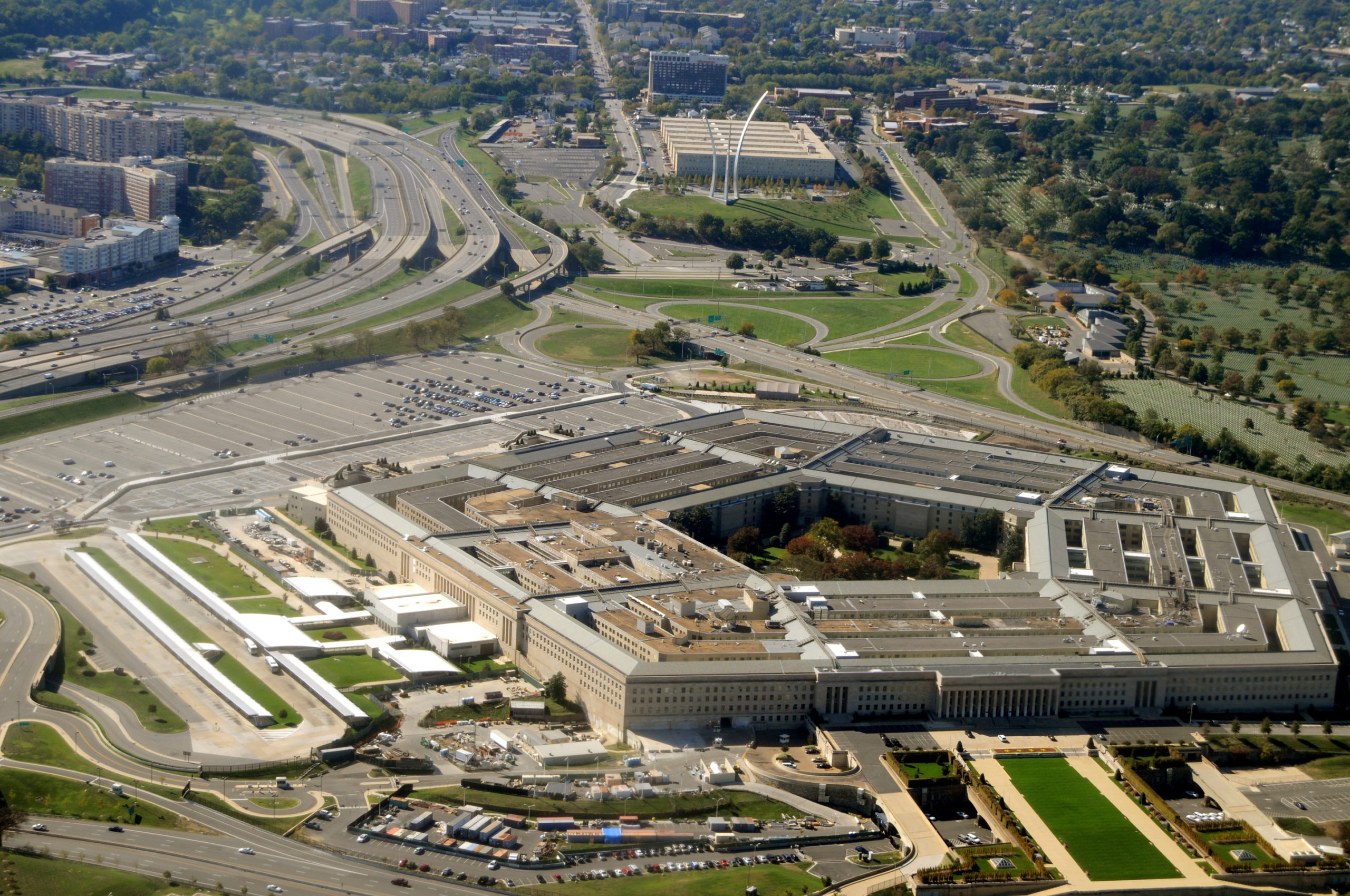
Unions sue DoD over termination of collective bargaining agreements
July 6, 2026 // In April, lawmakers asked Defense Secretary Pete Hegseth about his decision to cancel nearly all collective bargaining agreements across the department, Hegseth said he “fundamentally believes the Department of War should not be subject to collective bargaining. Full stop.”
Forest Service offers separation incentives to employees ahead of relocations
June 4, 2026 // Schultz said the reorganization plan would shutter some facilities that have fallen into disrepair, and that it would “facilitate research and researchers over maintaining facilities and facility managers.” The spokesperson said the agency is carrying out it reorganziation to address a $3 billion maintenance backlog for its facilities and a $37 million year-over-year decrease in its budget to maintain those facilities. “We also owe the American people an agency that is effective and respectful of their hard-earned tax dollars, and that’s why we’re choosing to invest in our mission and our people instead of facilities we can’t afford,” the spokesperson said.
Disregard for students showcased in Sheridan teacher strike
May 27, 2026 // The Sheridan teachers did have a legal right to strike, but not a morally justifiable one. They seriously disrupted the lives of innocent schoolchildren and their parents, holding them hostage to the union’s demands. When a grocery union strikes, customers can do business elsewhere. However, teachers are government employees within a school district that has a monopoly on publicly-funded education. And unlike private sector employers, Colorado school boards can refuse to allow a union. In 2012, a new Republican majority on the Douglas County School Board decertified its teacher union when the collective-bargaining agreement expired. (A new Democrat majority on the DougCo school board will likely welcome the union back with open arms.)
Three-quarters of USDA researchers tapped to relocate tell union they’re not going
May 11, 2026 // USDA relocated hundreds of ERS and NIFA positions to Kansas City in 2019, but about 85% of impacted employees quit their jobs or retired, rather than relocate. The American Federation of Government Employees Local 3403, which represents USDA researchers, expects to see similar results this year. An internal survey conducted by the union found that 76% of its members have indicated they are not planning to relocate. AFGE Local 3403 said in a statement that these relocations, which are expected to go into effect by the end of the summer, will trigger a “brain drain” within the department.
Unions heighten calls for a bigger federal pay boost next year
April 15, 2026 //
You paid $181 million for union bosses to negotiate against you in 2024, but the Trump administration is doing something about it
February 19, 2026 // Even the “usual” topics of labor-relations negotiations are not part of federal bargaining. As Molly Conway, who served as Chief of Staff to the Department of Labor in the first Trump administration, wrote in a primer for the Institute for the American Worker: Management rights and any matters “specifically provided for by Federal statute” are not bargainable. This includes pay, health insurance, retirement, and certain workplace insurance (e.g., workers’ compensation, unemployment insurance), among others. [citations omitted]
House passes bill to restore collective bargaining for federal employees
December 15, 2025 // “The president has been fighting back against the deals that public sector unions have negotiated for themselves, at the expense of the American taxpayer, by invoking an existing legal authority,” said Rep. James Comer (R-Ky.), chairman of the Oversight committee. “[This bill] directly threatens that progress by overturning the president’s executive order that exercises one of the few tools available to him under the law to more effectively manage the federal workforce.”