Posts tagged ILA
ILA union and port owners held secret meeting on automation as new strike looms
January 8, 2025 // A secret meeting between representatives of the International Longshoremen’s Association and the USMX port ownership group was held on Sunday to make headway on the issue of port automation that needs to be resolved by Jan. 15 to avoid a new East and Gulf Coast ports strike. A document produced from the meeting and reviewed by CNBC indicates ports willing to pair any new technology with new union jobs, but it could also introduce new risks to a deal, with added labor costs threatening terms agreed to in October for a 62% pay hike for union workers.
From Amazon warehouse to port strikes, shippers and the DOT are preparing for an unpredictable 2025
January 2, 2025 // In recent years, the logistics industry has become familiar with "black swan" events, the biggest being Covid, which brought the global supply chain to a halt. The lessons learned during the pandemic led to new digital solutions for companies to track trade and solve for the lack of communication and data sharing that contributed to massive congestion at ports. Those solutions will continue to play a major role in dealing with trade disruptions.
Transportation unions face key dates that could mean strikes in 2025
December 30, 2024 // Flight attendants at United Airlines, dockworkers on East Coast and Gulf Coast ports and locomotive engineers who operate NJ Transit commuter trains are all engaged in negotiations to reach new contacts. The International Longshoreman’s Association, known as the ILA, and the Brotherhood of Locomotive Engineers and Trainmen are the closest to potential strike dates in 2025.
Op-ed: Nice dock. Big shame if you modernized it, Trump warns ports
December 18, 2024 // The International Longshoremen Association (ILA), the union that represents dockworkers on the east coast and the Gulf of Mexico, went on strike briefly in early October. They won a whopping 62 percent pay increase but left unresolved a key issue: automation of the ports. The longshoremen oppose any further modernization, seeing it as an existential threat to their jobs. The problem is that American ports are some of the least efficient in the world, largely due to the lack of automation. The World Bank’s Container Port Performance Index does not have a single US port in its top 50 ranking for efficiency. Charleston and Philadelphia come in at number 53 and 55, respectively. The ports are keen to fix that and therefore oppose the union’s demand.
Trump backs dockworkers in fight against automation. The move risks higher prices, experts say
December 14, 2024 // The U.S. Maritime Alliance, or USMX, the organization representing shipping firms in negotiations, said on Thursday that such automation would improve efficiency and increase capacity. Those enhancements would benefit U.S. companies and consumers that depend on goods from abroad, the group added. “We need modern technology that is proven to improve worker safety, boost port efficiency, increase port capacity, and strengthen our supply chains,” USMX said in a statement.
U.S. port, union talks break down again over automation, with two months to go before potential strike
November 13, 2024 // USMX says the use of semi-automated cranes, already at many ports, is critical to future supply chain demands. The International Longshoremen's Association, which is not publicly commenting, has said in the recent past that the union wants new contract language to clearly state that "no automation means no automation."
The next president may face a ‘January Surprise’: Port strikes
October 31, 2024 // Pay isn’t the issue. There’s a whopping 62 percent pay increase for the ILA already on the table. The issue is that the union wants no further automation of the ports. That’s not reasonable. US ports are already far behind the international standard for automation. CEI has proposed a way to avoid these potential crises in the future: put the ports under the authority of the Railway Labor Act (RLA), as opposed to the National Labor Relations Act’s (NLRA), the law that currently covers them. The RLA gives the president and Congress the power to step in and force a contract. That type of intervention isn’t ideal, but the threat of it will likely force both the union and management to reach a deal quicker. Congress would have to amend the RLA to make that happen and it isn’t likely to get around to it in time to prevent another walkout by the ILA before January.
Opinion: How to Cool Down Labor Unrest at the Ports
October 31, 2024 // Congress should put ports under the same labor-relations law that governs railroads and airlines.
US shippers avoid East Coast ports on risk of second strike
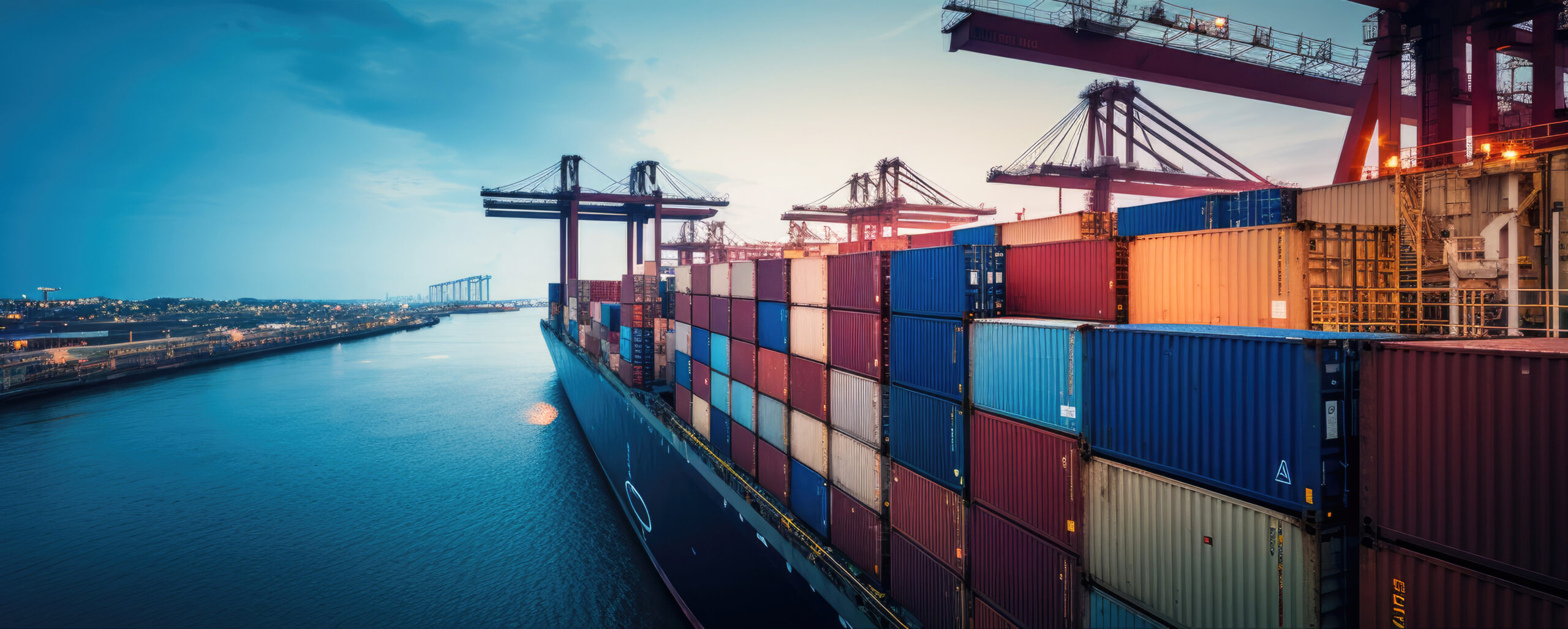
October 31, 2024 // "Anything we expect that we need in the back half of January, we're effectively diverting to the West Coast," said Chris Peterson, CEO of Graco high chair and Crock-Pot cooker maker Newell Brands, referring to the period after the new contract negotiating deadline. Peterson said the company switched a "couple of hundred containers" of critical materials to the opposite coast to get ahead of what he expects will be a second strike lasting, at most, two weeks.
How AI Is Impacting Labor Relations—and Why Employers Need to Pay Attention
October 25, 2024 // One key takeaway from the DOL guidelines is the importance of worker involvement. In unionized workplaces, rolling out AI without worker input is risky. Unions are already pushing back, trying to ensure that AI doesn’t replace jobs or erode working conditions. Employers should expect collective bargaining proposals that set clear parameters around AI usage, from performance monitoring to task automation. Industries like entertainment are leading the charge, with unions such as SAG-AFTRA and the WGA negotiating limits on AI-generated scripts and digital replicas. At ports, the International Longshoremen’s Association is resisting fully automated systems. These are clear signs that AI’s impact on labor is at the top of many unions’ minds.