Posts tagged safety
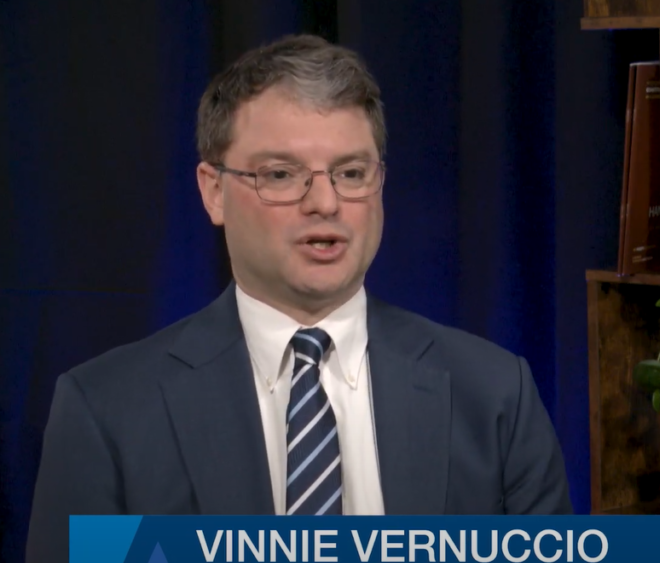
Vinnie Vernuccio: Labor reform finally has congressional momentum
September 30, 2026 // Those reforms will take time to pass, whereas ending racist or sexually harassing language in unionization campaigns should be easy to get across the finish line soon. Clearly, Congress is capable of rallying behind pro-worker labor reforms. The House’s bipartisan passage of the Ending Predator Access to Union Power Act proves it, and hopefully it will clear the Senate soon.
George Eastman Museum workers file for union vote
September 2, 2026 // Located at 900 East Ave., once the home of Kodak founder George Eastman, the museum employs nearly 100 people — including projectionists, preservationists, restaurant workers, curators and administrators — and the majority favor unionization, George Eastman Museum Workers United said in a statement.
Teamsters sue California DMV over rules that could affect 200,000 trucking jobs
August 11, 2026 // The Teamsters claim the regulations could eventually eliminate more than 200,000 employee semi-truck driver jobs across California. The suit says a similarly large number of self-employed commercial drivers could also be affected.
Fort Worth council members weigh in on firefighter union impasse
July 23, 2026 // The city claims that it has offered the union a contract with $40 million in new investments that included a 20% salary increase over four years and changes to the department’s staffing and benefits.
Columbus Metropolitan latest among central Ohio libraries to form union
July 9, 2026 // According to secret ballot election results released July 7 by Ohio’s State Employment Relations Board, 86% of valid ballots agreed to unionize. The new union includes about 600 librarians, customer service specialists, youth engagement specialists, materials services associates, drivers, sorters and other library workers. It does not include management or security staff. The vote count was 368-60, with roughly 428 employees casting mail-in ballots, according to the Ohio Federation of Teachers, which began organizing the library's union in 2024. The union also represents many of central Ohio's suburban public libraries, including Worthington, Grandview Heights, Pickerington, Upper Arlington and Delaware County. All six now have labor contracts.
Amid a federal security probe of MARTA, union workers seek safer working conditions
July 1, 2026 // A recent series of violent incidents around MARTA has drawn federal scrutiny to the transit authority’s safety measures. Meanwhile, MARTA employees say their attempts to sound the alarm about the changing nature of violence on buses and trains hasn’t produced results. GPB’s Amanda Andrews has more.
Bert Nash employees vote to unionize with Teamsters Local 696
June 30, 2026 // Bert Nash workers had previously unionized under IBEW Local 304 with an overwhelming majority vote in 2024. After more than 100 hours of negotiations, the IBEW on May 22 filed a disclaimer of interest withdrawing their representation of Bert Nash workers, Watkins said last week.
Goldwater Institute: Embracing the Future: Say No to Driver-in Mandates
June 4, 2026 // If an autonomous truck cannot operate safely, it should not be on the road. But if it can operate safely without a human driver, requiring one anyway does not improve safety. It simply raises costs, slows deployment, and forces consumers to pay more. The United States has never prospered by forcing new technology to imitate the old system it improves upon. Policymakers should allow autonomous vehicles and trucking to develop under clear, evidence-based safety rules. They should not revive the logic of railroad featherbedding for the age of artificial intelligence. Autonomous vehicles should be judged by their safety and performance, not by whether they preserve the labor arrangements of the past. The future of freight should be faster, safer, and less expensive. Policymakers should let it arrive.

Weingarten Blames Screens, Not Herself, For Falling Test Scores
June 3, 2026 // The same union that lobbied to keep students off school grounds is now positioning itself as a champion of children’s well-being, pointing an accusing finger at Silicon Valley while the learning-loss data keeps compounding. The financial record makes that positioning even harder to stomach. A recent analysis of National Education Association and AFT federal disclosures by the Network Contagion Research Institute and the Gevura Fund – of which Tina Snider is president – found America’s two largest teachers unions spend roughly $4 on political activities for every dollar spent on direct member representation. The NEA alone reported more than $51.7 million in political spending in its most recent filing, plus another $123 million in contributions and grants, compared to less than $46 million on the collective bargaining its members thought they were paying for.

Commentary: Short-Term Gains, Long-Term Harm: The Real Cost of Union Monopoly Power
May 22, 2026 // The Mercatus paper's survey findings cut against the union narrative in ways that should matter to anyone who follows labor policy. When asked directly, workers say they prefer unions that cooperate with management over unions that are more powerful but adversarial. They prefer having multiple options for representation rather than one organization with legal monopoly control over their workplace. And union progressive political activity and strikes, the two things union leadership most reliably prioritizes, are the only factors that consistently make workers less favorable toward organized labor.