Posts tagged intimidation
Voters Rights for Workers in Tennessee and Georgia—and More?
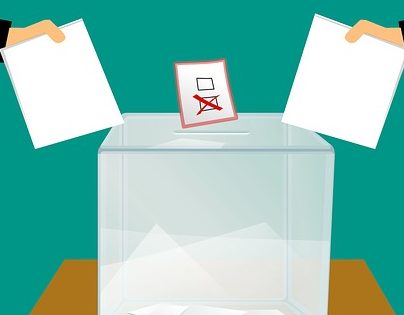
April 3, 2024 // Recent introduced, SB 231 also ties state subsidies with businesses committing to conducting unionization votes via secret ballot and to obtaining employees’ written permission before sharing their contact information with unions. As the bill’s sponsor, Senator Arthur Orr explains, “It’s good policy to have the private vote matter [and] to make sure that the employees… can keep their votes to themselves and not be coerced or bullied one way or the other.” Like Tennessee and potentially Georgia’s and Alabama’s reforms, ALEC’s Taxpayers Protect Worker Act strives to protect workers’ personal information and their right to a secret ballot. Approved at the 2023 ALEC Annual Meeting, the model policy affirms that “whenever State funds or benefits are sought by a private business… such benefits [should] be conditioned on the private business agreeing not to waive its employees’ right to a secret ballot election when recognizing a labor organization.” It likewise states that employees and subcontractors have the right to decide if their personal contact information is shared with unions.
Commentary: Biden fosters Big Labor cronyism
March 25, 2024 // It is bad enough that union dues go to political activity that workers may or may not agree with. It is worse that some union bosses are stealing money from the workers that they claim to represent. Every dollar that a union boss steals is one dollar less that a worker can put toward sending their children to school, putting food on the table, or building a nest egg. The Biden administration enables union corruption because union dues overwhelmingly go toward electing Democrats. Biden’s refusal to pull union bosses away from the trough directly harms workers. Unlike Biden, House Republicans are leading the charge to stamp out union fraud and corruption.
Commentary: The Georgia Model for Putting Workers’ Rights ahead of Union Demands
March 8, 2024 // The United Auto Workers’ endorsement of Joe Biden’s reelection was in large part payback for the president’s efforts to help organize southern automakers. The Biden administration has issued a slew of policies that will enable the UAW to make inroads at factories that have repeatedly rejected union representation. Most notably and recently, in its Cemex decision last August, the National Labor Relations Board made it easier for unions to ignore workplace elections while publicly intimidating workers into supporting unionization. Georgia is going in the opposite direction, putting workers’ rights ahead of union demands. It’s on the verge of enacting a law that would guarantee secret-ballot elections at automakers and parts manufacturers. The Peach State’s pending reform should spread nationwide.
Opinion: Protect workers by preventing union neutrality agreements
February 21, 2024 // A neutrality agreement is a contract between a union and an employer that typically forbids employers from communicating with employees about the unionization effort or the union behind it. This includes not discussing with workers the viability of any promises the union makes, the accuracy of information provided by the union, or details about the union’s record. Employers that sign neutrality agreements are even precluded from answering employees’ basic questions about how the bargaining process works. So in short, these deceptively named neutrality agreements are anything but. Employers are not actually asked to be neutral, but instead to leave employees in the dark about the choice they face.
GEORGIA: Bill would require companies receiving incentives to use secret union ballots
February 16, 2024 // "Senate Bill 362 is designed to stop organized labor from pressuring its way into small businesses and other workplaces," NFIB State Director Hunter Loggins said in a statement. "Union leaders want the power to force workers to say in front of their co-workers and union organizers whether they support the idea of joining the union. Union leaders know full well how intimidating and coercive that would be.

Commentary: States should protect workers from Democrats’ latest assault on their rights
January 19, 2024 // Ending the secret ballot is just one of the ways these Senate Democrats are trying to deprive workers of their rights. They ultimately want automakers to sign a so-called neutrality agreement. As I’ve documented, such agreements typically do three things. The first is to gut the secret ballot in favor of card check. Second, they give unions the personal information of every worker at a company — another violation of privacy and another invitation to intimidation. Finally, neutrality agreements put a gag order on companies, prohibiting them from talking to their workers about unionization. Yet that violates workers’ right to the full information they need to make the best choice. And that’s exactly why unions want to shut companies up — because it makes workers easier to control.
Brainerd-area grocery store workers vote to authorize strike in days leading up to Christmas
December 14, 2023 // Roughly 650 grocery workers in the Brainerd area announced their intentions to go on strike in the days leading up to Christmas due to what they call unfair labor practices. Union members of United Food and Commercial Workers Local 663 say they've been without a contract since Dec. 3, and have been subject to "interrogation, surveillance, and intimidation" from their employers.

L’Oréal Employee Hits Union with Federal Charges for Illegal Dues Deductions, Threats for Seeking to Oust Union
December 6, 2023 // According to charge, union agent threatened: “The union is like a big mafia…something bad is going to happen to you” The election to decertify RWDSU, which took place October 19 and 20, is currently the subject of objections from Hoyos Lopez. The objections assert that union officials unlawfully interfered with the election through their intimidating actions during the September 22 meeting, as well as through campaign misrepresentations and racially-charged tactics. Hoyos Lopez’s federal charges, which she filed after submitting her election objections, state that employees she believed were acting on behalf of the union targeted her after she attempted to defend the integrity of the election. On November 27, “a L’Oréal contractor…intimidated [Hoyos Lopez]” and told her that “people say you have to leave because you have problems with the union.” The charges argue that all of these actions by RWDSU union officials and alleged union agents are clear violations of Hoyos Lopez’s rights under Section 7 of the National Labor Relations Act (NLRA), the federal law the NLRB is charged with enforcing. Section 7 protects workers’ right to refrain from union activities.
Florida teachers’ union accused of strong-arming educators to join in effort to boost lagging numbers
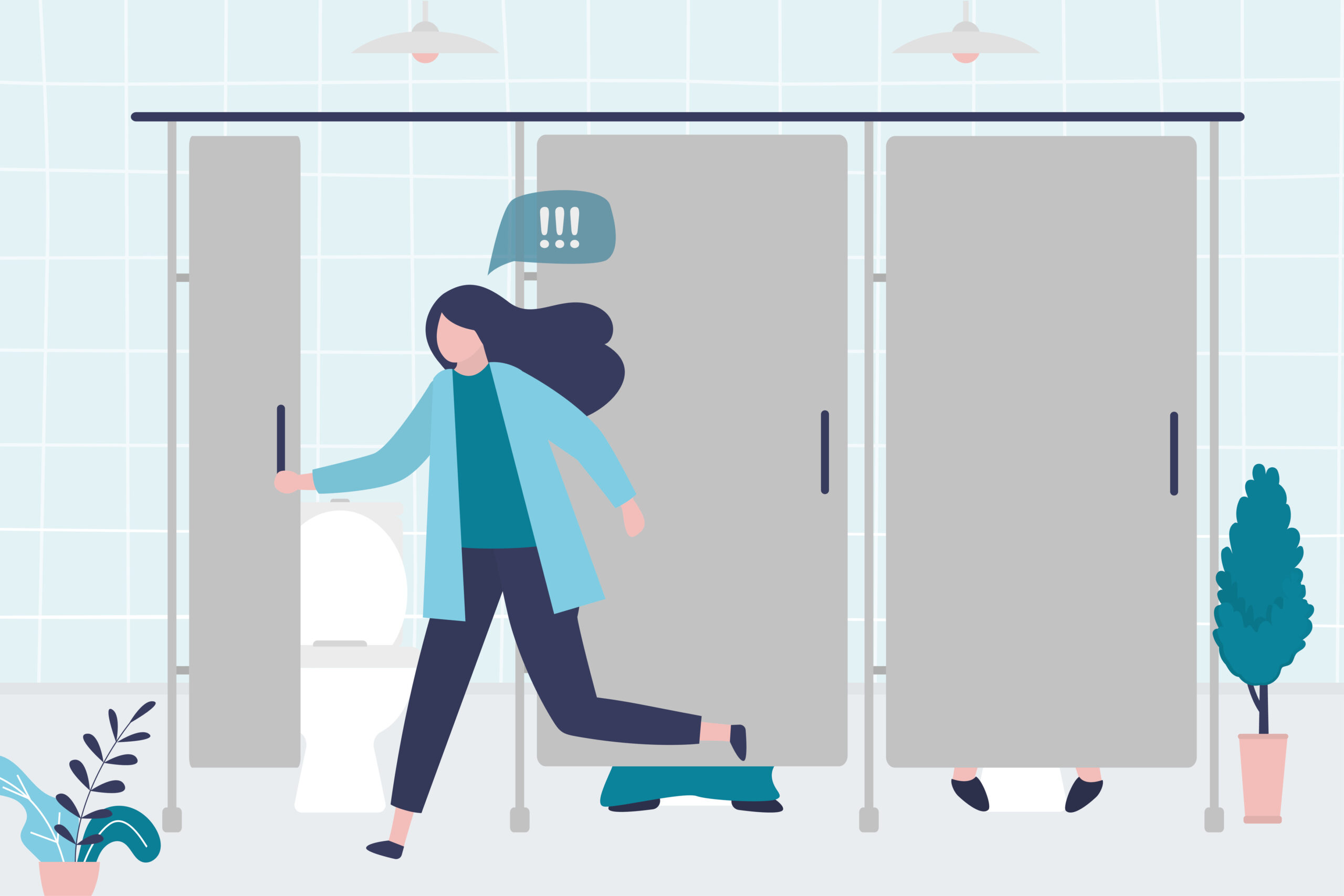
December 3, 2023 // “I used to be a UTD building steward, and I was so disgusted with the union that I left it,” the teacher responded, according to the complaint. “Why would I want to pay dues?” The second complaint alleges that an organizer at a Miami-Dade public school made “loud and shaming remarks” about a teacher “in the presence of her colleagues” in an attempt to “verbally pressure” her into paying union dues. The teacher was approached as she was trying to use the faculty lounge’s restroom and made “repeated assertions that she d[id] not want to pay dues or be a member” of UTD, the filing states.