
Posts tagged Donald Trump
Republican Sen. Josh Hawley rips AI “cheerleaders,” backs Teamsters union agenda
June 18, 2026 // Hawley told the Teamsters that "mega corporations" have "lost their moral compass" and that he supports the labor movement because unionized workers deserve fair wages and "decent working conditions," according to a copy of his speech obtained by Axios. Hawley: Argued that the Faster Labor Contracts Act is needed to "speed up first contracts for new unions" and said his Christian faith backs up his belief in unions. Endorsed the Teamsters' position that Congress should pass legislation barring self-driving trucks from replacing commercial drivers. Ripped Amazon as "the biggest monopolist in the country," saying it's treating workers as "indentured servants." Slammed "AI cheerleaders" as corporate goons who "want to replace every job they can with an algorithm" and said "we need to give workers rights over AI in the workplace."
NTEU sues IRS over destruction of employees’ pro-union decorations
June 18, 2026 // The Internal Revenue Service last month issued a directive barring employees from posting flyers and other decorations related to the National Treasury Employees Union, which the union says violates the First Amendment.
Whole Foods unionization upheld by U.S. Labor Board
June 16, 2026 // n a brief, unanimous order Monday, the members of the National Labor Relations Board ruled that Whole Foods had raised “no substantial issues warranting review.” The order was issued by a pair of Republican board members appointed by President Donald Trump, as well as a Democrat appointed by his predecessor Joe Biden. Employees at the Philadelphia location voted 130 to 100 in January 2025 to unionize with the United Food & Commercial Workers union.

Editorial: Why are some Republicans pushing price-hiking, pro-union bills in Congress?
June 15, 2026 // Democrats have long pushed pro-union measures sure to boost prices, even as they pretend to care about “affordability.” But why are Republicans now joining them? On Tuesday, a full 20 GOPers crossed the aisle to pass the Faster Labor Contracts Act, 230-193. The bill, lifted from Dems’ PRO Act, aims to boost unionization by forcing employers to agree to labor contracts within 90 days after a newly formed labor group calls for talks.
Exclusive: Group warns labor bill allows govt takeover of union contract negotiations
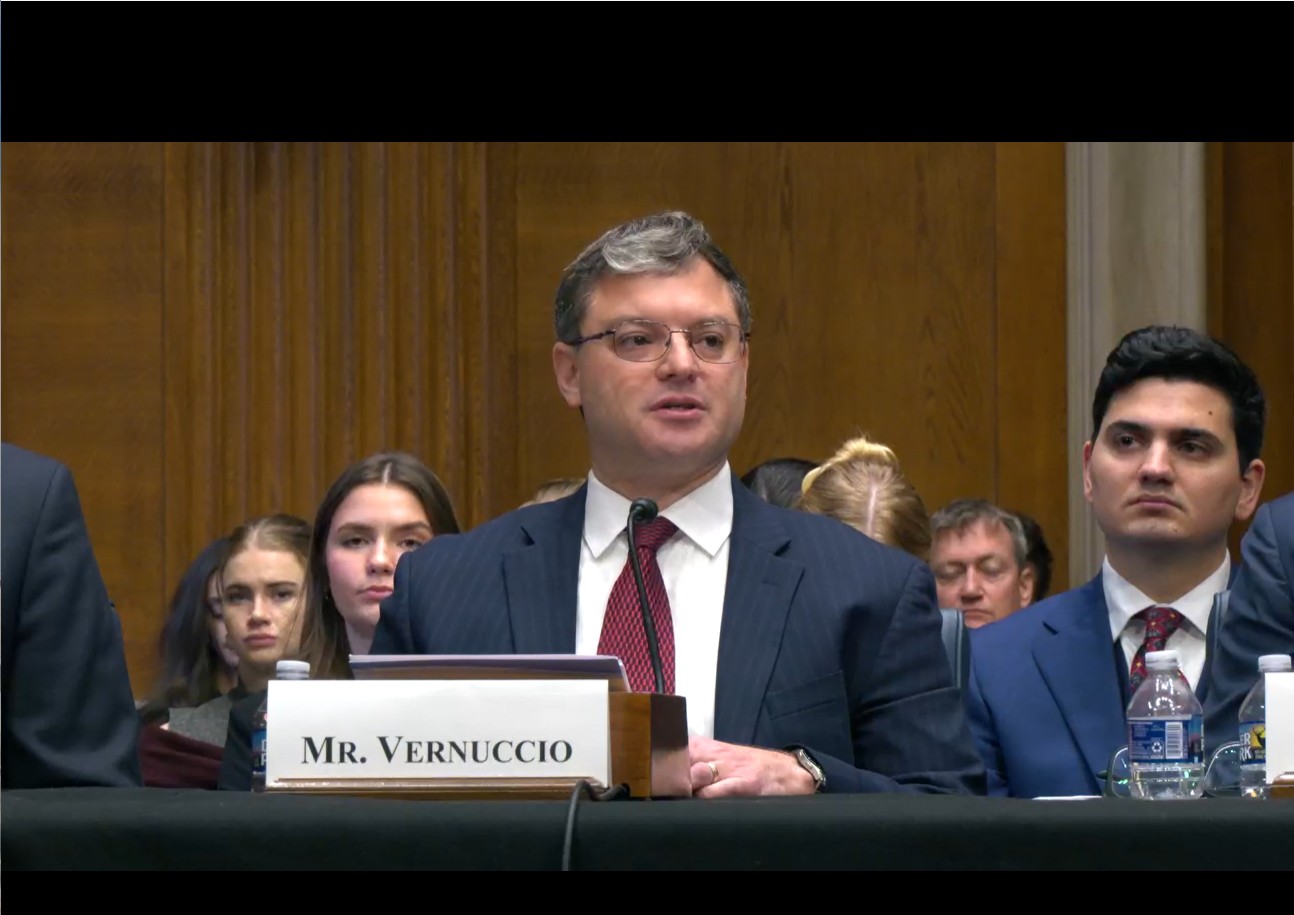
June 14, 2026 // Institute for the American Worker President Vinnie Vernuccio called the House-passed bill an example of “gross government overreach.” “There are better ways out there, things that increase collaboration, increase penalties even, to get people to negotiate,” Vernuccio told The Center Square. “Those are far preferable than government forced arbitration.”
Op-ed: IRS Union Cancellation Brings ‘Hardened’ Environment for Staff
June 13, 2026 // IRS CEO Frank Bisignano shut down concerns about the termination of the union contract during an April appearance before Congress, telling House Ways and Means Committee ranking member Richard E. Neal, D-Mass., that employees are “losing nothing.” “Federal employees under statute, under law, have greater benefits than any union in the world can provide for their people,” Bisignano said.

These Republicans keep undermining Trump. This week proves it
June 11, 2026 // Specifically, the Faster Labor Contracts Act would empower a federal agency that Trump has called to eliminate. It could then impose a collective bargaining agreement on workers if the union and employer don’t reach an agreement within three months. But the workers wouldn’t even get a vote, fundamentally gutting workplace democracy. As Trump’s administration said in 2020, “Involuntary contracts that do not work for employees or their employers could force layoffs or even bankruptcies — ultimately, harming workers.” This bill is one of the Democrats’ top priorities. It should never be a priority for any Republican. Several of these Republicans pulled a similar stunt in January, when they killed House leadership’s plan to vote on the Save Local Business Act. The bill would have prevented a heavy-handed mandate from the Obama and Biden years that put many franchises, subcontractors, and small businesses at risk of layoffs or even closure. Yet LaLota said that he and his colleagues would only support a watered-down version. Trump has proposed a regulation that’s similar in intent to the legislation that was killed, yet by refusing to support the bill, these Republicans are all but ensuring that a future Democrat president will overturn this necessary reform.
SoFi Stadium workers’ union reaches deal to avoid strike during World Cup
June 10, 2026 // The contract will expire on April 30, 2028, aligning with over 100 other stadium, hotel, and airport concessions contracts that expire before the Olympics. Community groups in other World Cup host cities such as Atlanta and Miami also have called for a halt on U.S. immigration enforcement during the matches, fearing arrests near stadiums and watch parties could dampen the festivities.
Jonathon Wolfson: Testimony before the House Committee on Education and Workforce
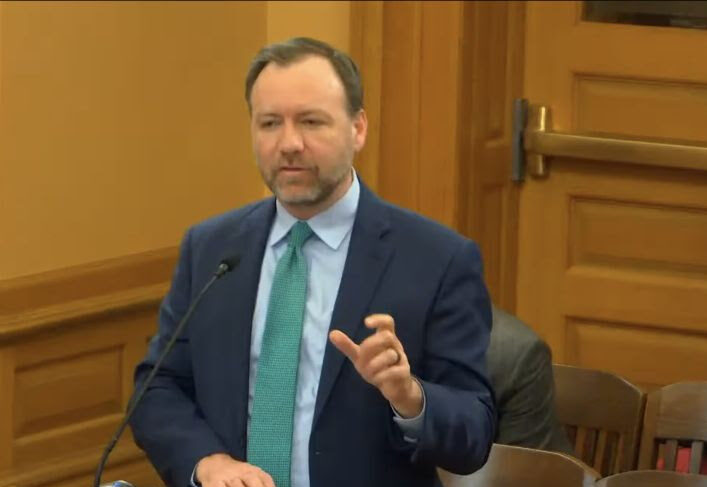
June 10, 2026 // In short, locum tenens is not a temporary patch on a permanent problem; it is a permanent and growing part of the healthcare access solution. In many areas, the choice is not between a permanent healthcare provider and a locum tenens healthcare provider. The choice is between a locum tenens healthcare provider and no provider at all. Any policy that undermines locum tenens would directly harm the patients who depend on it.
Trump needs a pro-worker head of Labor Department — not a union lapdog
June 10, 2026 // The right choice for labor secretary is the one right under President Donald Trump’s nose. That’s Keith Sonderling, who is now the acting labor secretary. He is pro-right to work. He will fight against the trial lawyers and the militant union bosses who have been hostile to Trump, even as rank-and-file union workers embrace Trump’s America First agenda. Sonderling is right that “Trump is the greatest president for American workers, including union workers,” in history. Not too many union leaders believe that, which is why upwards of 90% of their donations typically go to Democrats.