Posts tagged health and safety

Commentary: Are Unions Rising from the Political Grave?
September 21, 2026 // Here again, however, there may be less than meets the eye. Despite its surprising bipartisan support, the FLCA would raise significant constitutional questions if enacted. By relying on a government-mandated arbitration panel to resolve labor disputes, the law effectively empowers the state to impose contractual terms on private parties—a form of what constitutional lawyers call “state action.” As attorneys Alex MacDonald and Vinnie Vernuccio observe: “[S]tate action opens the door to a slew of constitutional requirements and restrictions, notably to protect rights of free speech and association.”
Eric Carle Museum Staff Seek Union Vote
August 5, 2026 // Local 2110 of the United Auto Workers has petitioned the National Labor Relations Board to allow employees at the Eric Carle Museum of Picture Book Art in Amherst, Mass., to vote on whether to unionize. The local represents museum, university, publishing, and nonprofit staff in New York and New England.

Testimony: Rachel Greszler: Labor Law Reform Part 1: Diagnosing the Issues, Exploring Current Proposals
October 10, 2025 // SummaryToday’s challenges—from the rise of artificial intelligence to the expansion of independent work and the growing demand for flexibility, autonomy, and new skills—necessitate modernized labor laws that are pro-worker and pro-employer, regardless of the type of workplace. Heavy-handed government interventions and attempts to bring back the 1950s’ ways of work are not the answers. American labor laws should preserve the freedom, dignity, and opportunity that make American work exceptional.

Michael Watson: Big ESG’s Big Partner: Big Labor
April 20, 2025 // Unions’ principal interest in the ESG activism movement is on the “S” or “social” prong of the acronym. Both unions themselves, like the International Brotherhood of Teamsters, and critics of unions, like the Institute for the American Worker, will argue that Big Labor views ESG as a category for advancing union organizing and other core union priorities. Proxy Preview shows unions and union-aligned groups (like city and state pension funds and the largely union-owned and union-controlled Amalgamated Bank) pushing shareholder resolutions demanding that companies “adopt a noninterference policy respecting freedom of association” or “respect for freedom of association and collective bargaining”—euphemisms for neutrality in union organizing. Under a neutrality agreement, the employer agrees not to present its views on the potential consequences of union organizing to employees, and it may agree not to confirm union majority support by a government-supervised secret-ballot election, instead using public union-card signatures (known as “card check”).
Farmworkers call for changes to improve their lives
April 7, 2025 // If all legislators are genuinely interested in supporting people living and working in Washington state, then these interviews should serve as a gut check. All six of the men interviewed indicated a desire to see a significant change in how their workweeks are measured and compensated. Not from their employers but from lawmakers. Guillermo, 62, perhaps summed up the words of his colleagues best: “I think people would be surprised to know that I’ve dedicated my life to working and trying to do good deeds,” he said. “We come here with the mentality that we want to work 50 plus hours per week.”
Baton Rouge bus worker strike begins, will go on ‘as long as it takes,’ union says
March 5, 2025 // Union leaders said they were happy with the strike turnout so far. The effect on CATS' ability to maintain service is already evident, they said. "They don't run efficiently when they're fully staffed," Shavez Smith, vice president for ATU Local 1546, said. "We knew this was gonna take a big hit."
Trump and Harris, with starkly different records on labor issues, are both courting union voters
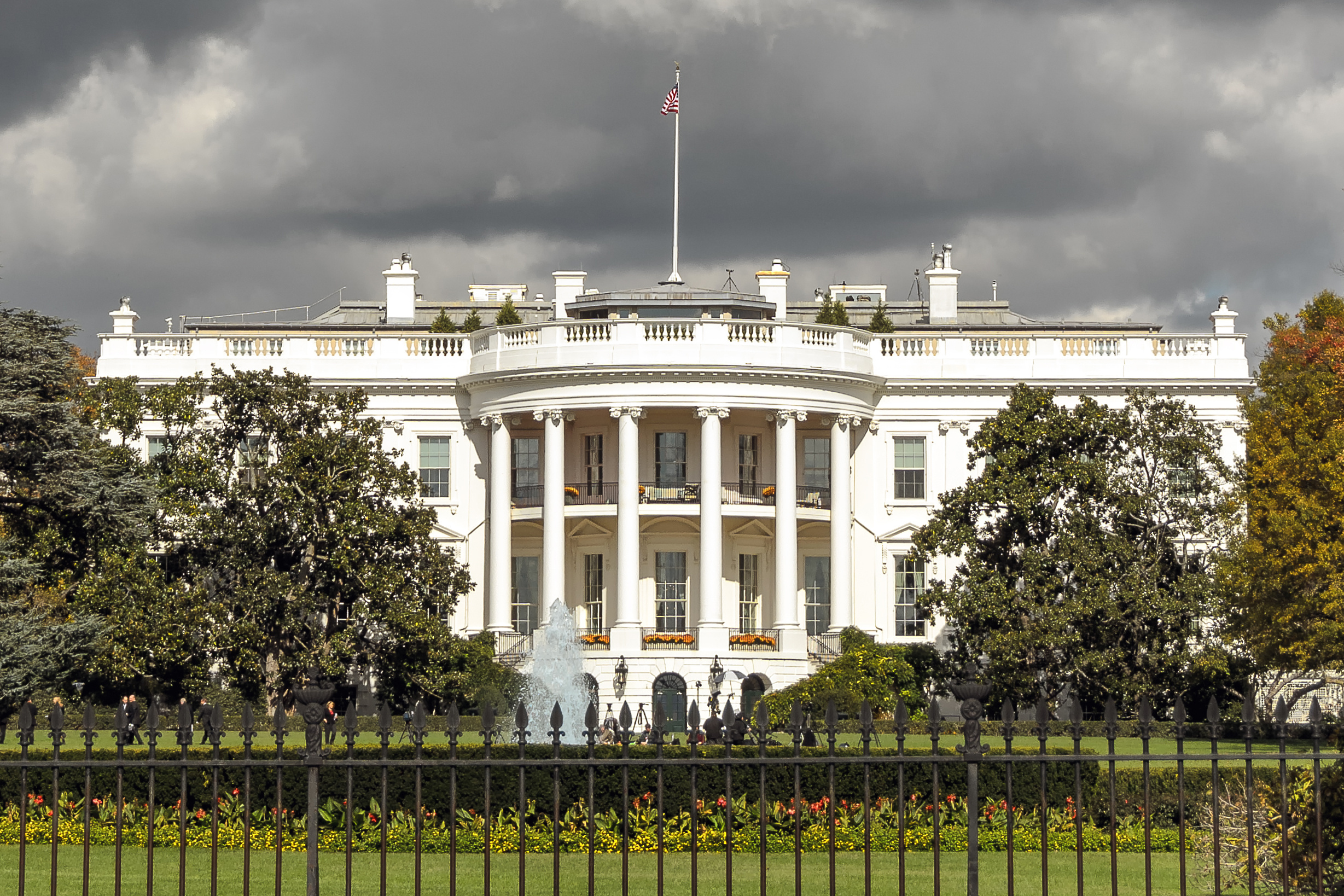
September 5, 2024 // By comparison, two days after taking office in 2021, Biden issued an executive order that established masking guidelines, and his administration made health and safety protocols on the job during the rest of the COVID-19 pandemic a high priority. Compared with the inaction by the Trump administration during the COVID-19 pandemic, the Biden administration has been more active in proposing health and safety measures. For example, in July 2024 it proposed rules designed to protect some 36 million workers from health risks associated with extreme heat. After a period for written comments, public hearings will be held on the bill. When Trump tried cutting OSHA funding for 2018 by approximately US$10 million, Congress blocked his efforts. The Biden administration is seeking a 3.7% increase in OSHA’s budget for the 2025 fiscal year.
Texas judge vacates joint employer rule
March 9, 2024 // Judge J. Campbell Barker of the U.S. District Court for the Eastern District of Texas vacated the National Labor Relations Board’s joint employer rule late Friday. The rule was set to go into effect Monday. The new rule would be “contrary to law” and “arbitrary and capricious,” Barker ruled. The court had been considering a legal challenge brought in November by the U.S. Chamber of Commerce, along with other business groups.
UAW, Ford reach agreement; strike at truck plant in Louisville avoided
February 22, 2024 // Last Friday, the union issued a release that said nearly 9,000 workers at the Kentucky Truck Plant in east Louisville would strike on Feb. 23 if Ford failed to address certain issues. Point of contention included health and safety inside the plant, including minimum "in-plant nurse staffing levels and ergonomic issues," plus the company's attempts to "erode the skilled trades" at the plant.

Schools in Portland, Oregon, reach tentative deal with teachers union after nearly month-long strike
November 27, 2023 // Students last attended school on Halloween. The deal would provide educators with a 13.8% cumulative cost-of-living increase over the next three years and about half of all educators would earn an extra 10.6% from yearly step increases, PPS said. The agreement would also add classroom time for elementary and middle grades starting next year and increase teacher planning time by 90 minutes each week for elementary and middle-aged classrooms.