Posts tagged Obama administration
New documents show TSA screeners illegally unionized, pro-worker group says
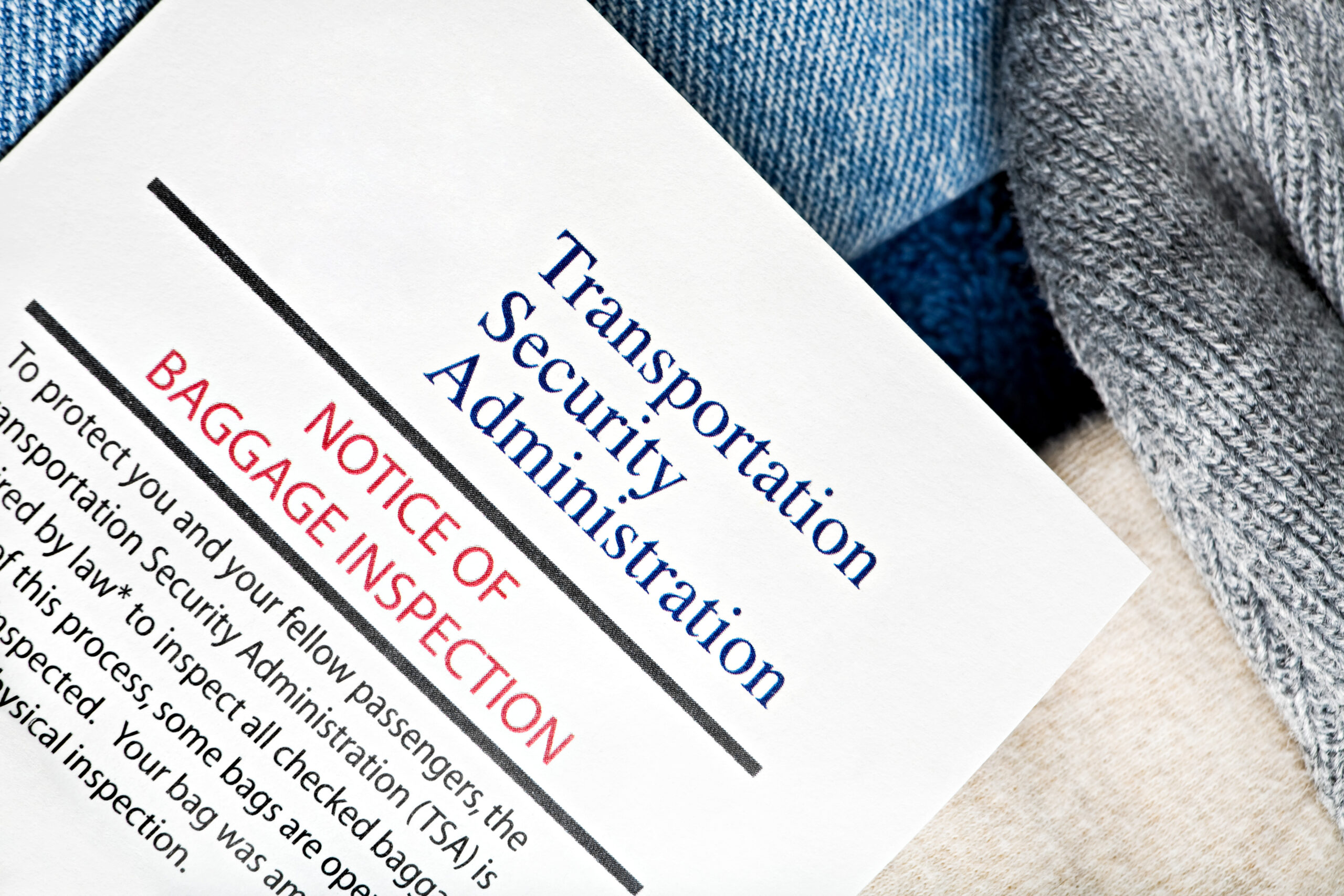
February 11, 2025 // “During the Obama administration, the TSA administrator did an abrupt about-face, and TSA moved ahead with allowing screeners to unionize in violation of the law,” Dave Dorey, an attorney specializing in labor and employment law who represented AFFT, told the Washington Examiner. “Multiple administrators of TSA have stated publicly that TSA screeners are not covered by Title V, which includes significant rights for unionized workers — including the ability to file claims of unfair labor practices with an independent board and ultimately vindicate their rights in federal court. TSA screeners have none of these protections.”
Elon Musk’s Doge accused of ‘illegal’ job posting by federal workers’ union
January 29, 2025 // Government vacancy announcements are typically required to include key information around pay, security requirements, qualifications, and the number of available roles, according to the office of personnel management. The Doge page does not contain such details. It includes a brief paragraph explaining that it is looking to hire “world-class talent to work long hours identifying/eliminating waste, fraud, and abuse”, and a form to submit personal details. A checkbox indicates the roles are based in Washington DC, and available only to US citizens.
Former EEOC Commissioner and Acting WHD Administrator Keith Sonderling Announced as Pick for Deputy Secretary of Labor
January 16, 2025 // The deputy secretary of labor serves as the de facto chief operating officer of the DOL, managing an approximately 17,000-person workforce and a $14 billion dollar budget. Further, the deputy manages the politically appointed heads of each agency that falls under the DOL, including vital agencies such as the Occupational Safety and Health Administration, WHD, the Employee Benefits Security Administration, and the Office of Federal Contract Compliance Programs (OFCCP), among others. Sonderling has a track record of prioritizing clear guidance on both traditional issues such as those found in wage and hour law or occupational safety and cutting-edge issues such as the use of artificial intelligence (AI) in the workplace. Sonderling’s record throughout his career provides insight into what employers can expect from Sonderling’s leadership as the deputy secretary of labor.
Dartmouth Ph.D. Student Hits Graduate Student Union With Federal Charges for Illegal Religious Discrimination
October 3, 2024 // A series of rulings by the National Labor Relations Board (NLRB) during the Obama and Biden Administrations gave union officials the ability to seize monopoly bargaining power over graduate students, and at private institutions like Dartmouth, unionized graduate students are subject to federal private sector labor law. Such law allows union officials to force those under their power to pay dues or fees as a condition of employment in a state like New Hampshire (where Dartmouth is located) that lacks Right to Work protections.
Get Ready for NLRB Rule Making It Harder to Decertify Unions: 5 Key Steps for Employers
September 27, 2024 // The Board’s final amendment reinstates its 2001 decision in Staunton Fuel, establishing a low threshold for demonstrating majority union employee support in the construction industry. Under Staunton Fuel, a union can become a duly authorized representative under section 9(a) of the NLRA based solely on collective bargaining language – that the impacted employees may never see – negotiated under Section 8(f) (often referred to as a “pre-hire agreement”). Under section 8(f), construction industry employers may choose to become “union” without any showing of employee support. By readopting this standard, the Board concludes that the mere presence of language suggesting that the union obtained recognition in the 8(f) agreement is enough to confer majority status under Section 9(a).
Employment Law Landscape Could Change After Election
September 16, 2024 // During the Trump administration the NLRB majority narrowed the scope of the National Labor Relations Act in several key respects and established a more neutral approach to union organizing. The Biden/Harris administration, which styled itself as the “most union-friendly in history,” reversed virtually all of the Trump-era policies, significantly expanded the scope of the law, and tilted the organizing landscape in favor of organized labor, Hayes said.
Walz Twists Some Labor Claims
August 19, 2024 // Delivering remarks at a labor union conference in California, Minnesota Gov. Tim Walz stretched the facts with several labor-related claims.

Opinion: Bill Would End Taxpayer-Funded Union Activities by Federal Employees
August 5, 2024 // Although the Trump-Pence administration tried to rein in official time—limiting it to no more than 25% of employees’ time—the Biden-Harris administration reversed those reforms. Taxpayers presumably once again pay some employees to spend 100% of their time working for their unions. I say presumably because the Biden-Harris administration removed the Office of Personnel Management’s webpage on official time, which had provided transparency for more than a decade on how many federal employees did work for their union instead of for taxpayers, and how much time they spent doing it. Although we no longer know how many federal employees use official time, or how much total time they’re using, the disappearing webpage doesn’t indicate that official time has declined.

TSA Union Formation Faces Scrutiny
May 30, 2024 // The union that represents TSA agents was put into place via a series of administrative actions undertaken by the Obama Administration. This has led some labor experts to wonder if the union representing these tens of thousands of workers was properly instituted. To address these concerns, Americans for Fair Treatment (AFFT) sought answers through a series of requests made under the federal Freedom of Information Act (FOIA).
How changes to ‘noncompete’ agreements and overtime could affect workers
April 26, 2024 // They’ll also have to determine how they will budget for the extra pay for overtime. Small businesses will have the toughest time. “Some are going to have to cut workers,” Hollis said. “Others will have to cut hours from existing workers. “Some are going to have to raise prices, and some probably won’t be able to figure out a way to make it economically work and wind up having to shut down, unfortunately.”