Posts tagged union rate

The share of Californians in unions holds steady as nationwide numbers continue decline
August 28, 2025 // The report, which analyzed data collected by the U.S. Census Bureau and the U.S. Bureau of Labor Statistics, found that the percentage of Californians covered by a union has hovered between 16% and 18% in the last two decades. In 2024, the most recent year analyzed by researchers, the Golden State’s 2.67 million union-represented workers amounted to 16.3% of its labor force. Unions have only been able to sustain those numbers through consistent new organizing, said Enrique Lopezlira, director of the Low-Wage Work Program at the UC Berkeley Labor Center and a co-author of the report.

5.9% of Washington Workers Are Union Members, 6th Most in the U.S.
June 9, 2025 // Union membership in the United States has declined to its lowest point in decades. In 1979, unions represented 24.1% of the American workforce. By 2024, that share had fallen to just 9.9%, according to figures from the U.S. Bureau of Labor Statistics and UnionStats. In absolute terms, this represents a drop of roughly 6.7 million members—from a peak of 20.9 million in 1979 to around 14.2 million in 2024.
How Today’s Young Workers Are Creating a New Opportunity for Unions
June 2, 2025 // A new survey from LaborStrong found that 77% of workers aged 18-28 believe union workplaces are better than non-union ones. More than half say unions should be tackling urgent issues like AI and automation this year — not sometime in the future. And 56% of Gen Z workers are actively seeking out unionized workplaces when considering where to work. This is not nostalgia for the labor battles of the past. It's a new generation's urgent search for collective strength in a world that feels increasingly unstable.
Free the Economy podcast with Vinnie Vernuccio of the Institute for the American Worker
March 27, 2025 // Our interview for Episode 116 of the Free the Economy podcast is with Vinnie Vernuccio of the Institute for the American Worker. We talk about labor unions, independent contractors, right-to-work laws, port automation, and the future of the American workforce. Free the Economy is hosted by Richard Morrison. Our co-producer and editor is Destry Edwards. Keep up with new episodes by following us on Twitter at @freethe_economy and read our episode summaries, with links to the stories we cover, at cei.org/blog.

Op-ed: Protect American workers: How Trump’s team can fulfill his promise
March 6, 2025 // Regulatory reform is needed at three federal agencies that oversee labor laws and regulations: the U.S. Department of Labor, the National Labor Relations Board, and the Equal Employment Opportunity Commission. At the Labor Department, the administration should remove the economically inept "environmental, social and governance" investment criteria and instead protect workers’ retirement savings. Investment managers should be prohibited from advancing political agendas that reduce pension returns. The administration should guarantee workers freedom of information and transparency, so union members know how their leaders are spending dues.
The Next Wave Commentary: Kim Kavin
March 4, 2025 // In the wave of freelance busting that started with California’s Assembly Bill 5, the method of attack was the reclassification of independent contractors as employees. That method created massive backlash everywhere it was tried, so now, a new method is being tried. That new method is called sectoral organizing. This strategy of freelance busting in multiple states is usually a setup for a nationwide attack against us all. Independent contractors nationwide just learned this the hard way, with California’s Assembly Bill 5 ultimately leading to the introduction of the federal Protecting the Right to Organize Act. The freelance-busting brigade is, once again, doing a test run of its idea in the states, with bigger ambitions on the horizon.
‘Union Joe’ left labor movement weaker than it was
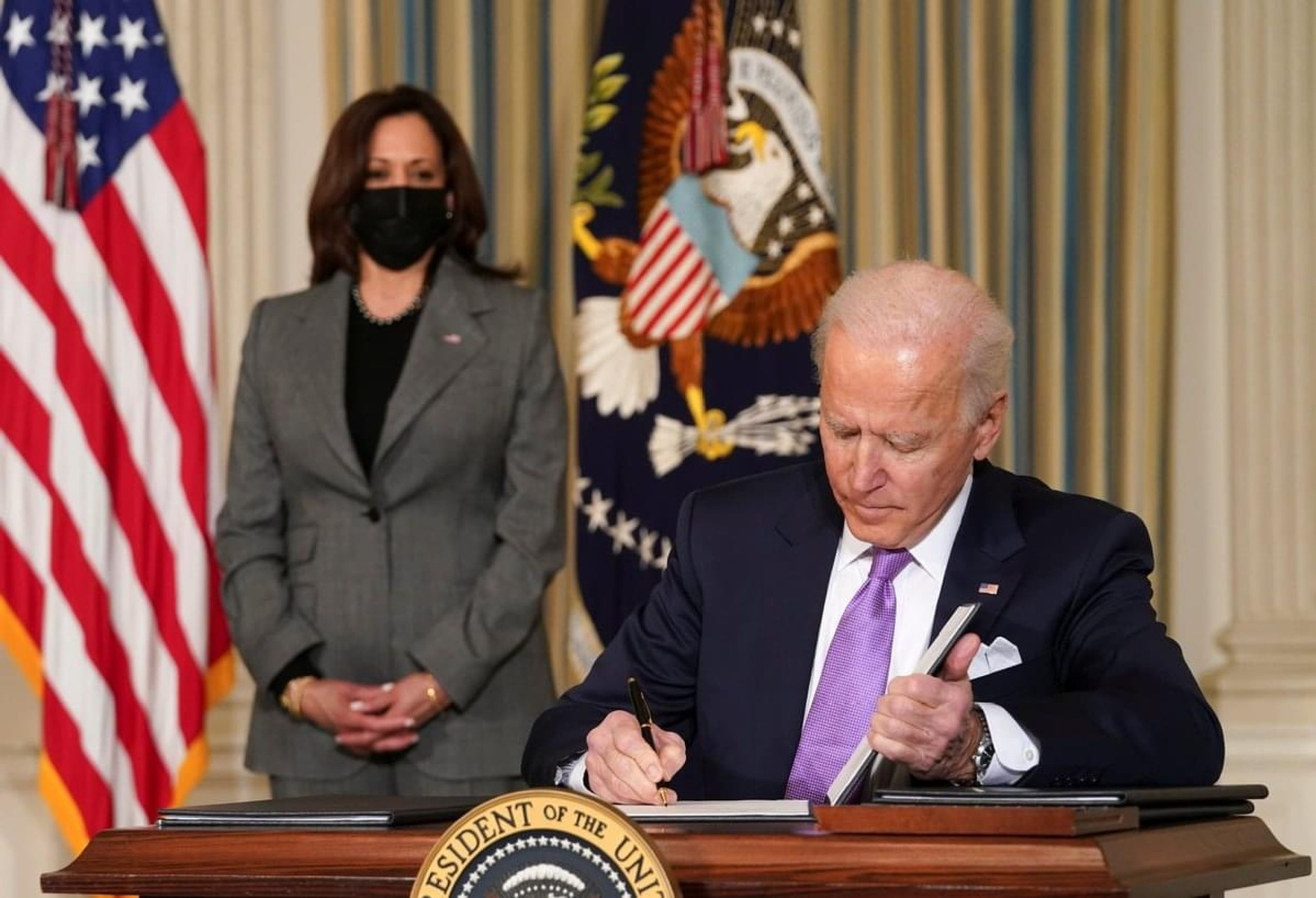
February 25, 2025 // As Dominic Pino pointed out last month in National Review, the overwhelming majority of workers in such fields as manufacturing, construction, mining, transportation and warehousing are not union members. Efforts to unionize employees attract disproportionate media cheerleading, especially when the unions target iconic American companies like Starbucks and Amazon. But there isn’t nearly as much coverage when workers in high-profile workplaces vote against joining a union — as they have recently at a Mercedes factory in Alabama, an Amazon warehouse in North Carolina and even Princeton University — or when scores of unions each year are decertified in workplace elections.

Commentary– Justin Hill: Protecting the Secret Ballot: A step forward for Mississippi’s workers and taxpayers
February 24, 2025 // this measure prohibits “neutrality agreements,” which can unfairly prevent employers from sharing information with their workers. Employees deserve the right to hear both sides of the issue rather than being presented with only the union’s perspective and talking points. Transparency is critical for workers to make informed decisions about their future. This legislation applies only to future economic incentives and union organizing efforts. It does not impact existing unions, current economic incentive agreements or subcontractors. Compliance with this law is straightforward and does not conflict with federal labor regulations. When a similar law was challenged in Arizona, the courts upheld the state’s right to protect the secret ballot process.
Pennsylvania union exodus reaches two-year high
February 18, 2025 //
Right-to-work facts vs. myths
February 12, 2025 // What’s become evident over the decades is that right-to-work laws are associated with statistically significant gains in employment, particularly manufacturing employment, job opportunities, population growth and economic growth. If New Hampshire adopts a right-to-work law, we would expect to see improvements in all of those areas, along with an improvement in state business tax revenues resulting from the additional business activity. As for freedom vs. coercion, workers have First Amendment rights not to associate with or fund membership organizations that they choose not to join. If workers want to join unions, they should be free to do so.