Posts tagged Retail

The Faster Labor Contracts Act would force workers into unions they never voted for
June 4, 2026 // The retail, leisure, and hospitality sectors, by contrast, are traditionally harder for unions to organize because the workers who would back a union are also less likely to stick around. That’s why the unions want contract deadlines to apply to all negotiations, not just cases in which companies may be deliberately delaying things. Unions might otherwise find themselves in a “herding cats” situation because workers are constantly coming and going.
Self-Checkout Is Under Fire Across the Country. Is Theft Really the Reason?
May 8, 2026 // For instance, the Connecticut bill mandates that stores must have one employee for every two self-checkout machines, in addition to having one manual checkout station for every two automated lanes. Stores cannot go over eight self-checkout lanes total. And any employee designated with the task of supervising self-checkouts is barred from engaging in any other simultaneous duties that could interfere with such supervision.
With holiday season underway, temporary workers notified they don’t have to join a union
December 7, 2025 // The notice provides information and legal rights about union membership, union fees and union documents. It explains that “Employees have a right not to be members of unions. Employers and unions thus cannot legally require temporary employees to be full union members to get or keep their jobs. However, as discussed below, if you do not work in a Right to Work state, you may be required to pay union fees as a condition of employment.” Even in 24 states that don’t have Right to Work protections, if temporary employees work less than 30 days they are not legally obligated to pay union fees, the foundation explains.
Employers Gain Additional Defenses In Union Salting And Deferral Cases Thanks to New Guidance from NLRB Official
August 27, 2025 // Under the AGC’s July 24 guidance, employees (or unions) filing charges must present evidence that the salt is “genuinely interested” in working for the employer. While the Board will independently evaluate this element, it will analyze evidence from the employer of the circumstances surrounding: the contents and completeness of the salt’s application; the applicant’s behavior and conduct during interviews; and the applicant’s previous refusal of similar employment.

Report: Biden won’t block dock strike
September 18, 2024 // International Longshoremen’s Association has set Oct. 1 strike deadline at East and Gulf Coast ports. Taft-Hartley Act grants presidents powers to intervene in labor disputes that threaten national security or safety by imposing an 80-day cooling-off period, and forcing employees back to work while negotiations continue.
Commentary Is Big Labor Reducing Worker Wages, Opportunities for Growth?
September 3, 2024 // But the Biden-Harris administration’s embrace of Big Labor—as in big national labor organizations, as opposed to small, local unions—actually hasn’t helped workers as unionized workers’ wages have fallen behind the wages of nonunion workers over the past four years. Unlike small local unions that are in better positions to represent the unique needs of their members and that may even have productive relationships with management, the Big Labor movement is increasingly putting politics, power, and one-size-fits-all policies above the personal well-being of many workers.

New UCSD Report Shows Younger Workers Are Supportive of Unions
August 28, 2024 // Younger workers are far more likely to support but also be uncertain about unions, according to a report released today by UC San Diego’s School of Global Policy and Strategy. The report, published by the Economics Policy Institute, identifies three major shifts occurring among U.S. workers: a recent, marked decline in opposition to labor unions, a rise of workers who are interested in — but unsure about — unions and an emerging generation gap in attitudes toward unionization.
Barnes & Noble workers plan union drive at largest US bookstore chain
April 1, 2024 // In a statement, Daunt disputed claims of delays at the negotiating table. He claimed he was in agreement with workers on “the fundamentals” of their demands – but warned of “potential upsides and downsides” to a union. Barnes & Noble has some 600 stores across the US, and Daunt – who became CEO in 2019 – has worked to turn around the business, which had spent years in decline. It is owned by the investment giant Elliott Management, which also owns Britain’s Waterstones, which is also run by Daunt. “Our purpose for unionizing is to get some recognition for the dignity of workers,” said Sepple. “And having sat at the table and currently in negotiations with Barnes & Noble, it is disappointing that Barnes & Noble has not treated this as if that dignity is deserved.”

WASHINGTON EDUCATION ASSOCIATION GIVES BIG TO PROGRESSIVE CAUSES, TAX RETURN SHOWS
March 25, 2024 // WEA president Larry Delaney, elected to that position by the union’s members, received total compensation from the union of $312,281 for a reported average of 37.5 hours of work per week. The union’s elected vice president, Janie White, received $257,936 in total compensation. However, the union’s hired executive director, Aimee Iverson, far outpaced them both, receiving $415,545 in total compensation from the WEA that year. The Form 990 also disclosed a dozen other top staff, each earning well over $200,000 per year in total compensation. The total number of such employees on the payroll is unknown. Interestingly, unfunded pension obligations towards its current and former staff represent a significant liability for the WEA. In fact, the weight of the union’s reported $45 million in liabilities for employee retirement benefits pulled its net assets into negative territory that year by nearly $1.3 million.
25 states will hike minimum wage in 2024
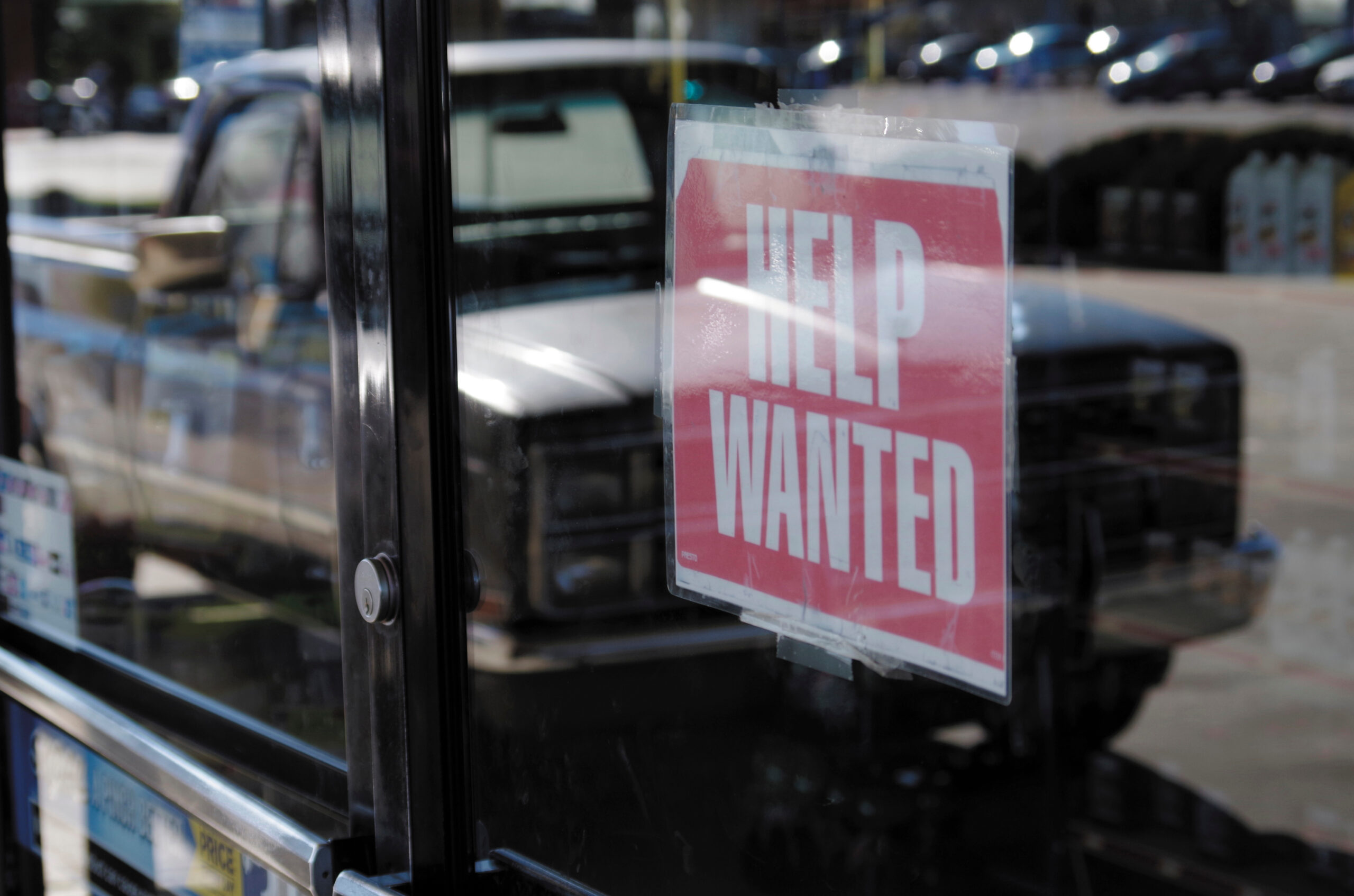
December 22, 2023 // Sean Higgins, an analyst at the libertarian Competitive Enterprise Institute, said many food and hospitality workers already earn more than their state minimum. He noted that employers have raised salaries to compete for a shrinking pool of applicants. “Raising state and local rates does hurt the smaller businesses, the classic mom and pop enterprises, who will employ local high school or college-age kids if they can but may not be able to justify that if the minimum rate increases,” Mr. Higgins said.