Posts tagged Competitive Enterprise Institute

J. D. Vance’s One-Track Mind for Railroad Regulation
August 17, 2024 // Ohio senator and GOP vice-presidential nominee J. D. Vance has something of a soft spot for unions, as evidenced by his co-sponsorship of the 2023 version of the Railway Safety Act. The legislation would mandate minimum two-member crews on freight trains, a requirement unions have long sought. Such a mandate wouldn’t make trains any safer but would damage the ability of the rail industry to pursue automation.

This Union Is Plotting To Take Over The Auto Industry. Can It Be Done?
March 26, 2024 // “It’s no coincidence that UAW is finally gaining ground in Tennessee: Biden has absolutely tilted the playing field at the NLRB in favor of unionization,” David Osborne, fellow at the Institute for the American Worker, told the DCNF. “Unfortunately, many of these changes — like the NLRB’s ruling in Cemex that a union election isn’t even necessary — favor union officials at the expense of rank-and-file workers. In announcing its plans to expand unionization efforts, UAW is obviously embracing this new legal landscape.”

Dem Demands On Automakers Could Backfire On Their Own Climate Agenda And Americans’ Wallets, Experts Say
January 17, 2024 // “EV cars require fewer workers to build,” Higgins told the DCNF, noting that greater union membership in the auto industry is probably not possible with a corresponding transition to EVs. “That’s just a fact. But that may not matter as much as you might think to the UAW. Believe it or not, only about 150,000 of the UAW’s 400,000 or so members actually work for Detroit automakers. The union has branched out into other areas, such as education, and those areas are growing… So fewer auto workers will hurt the union but not kill it.”
25 states will hike minimum wage in 2024
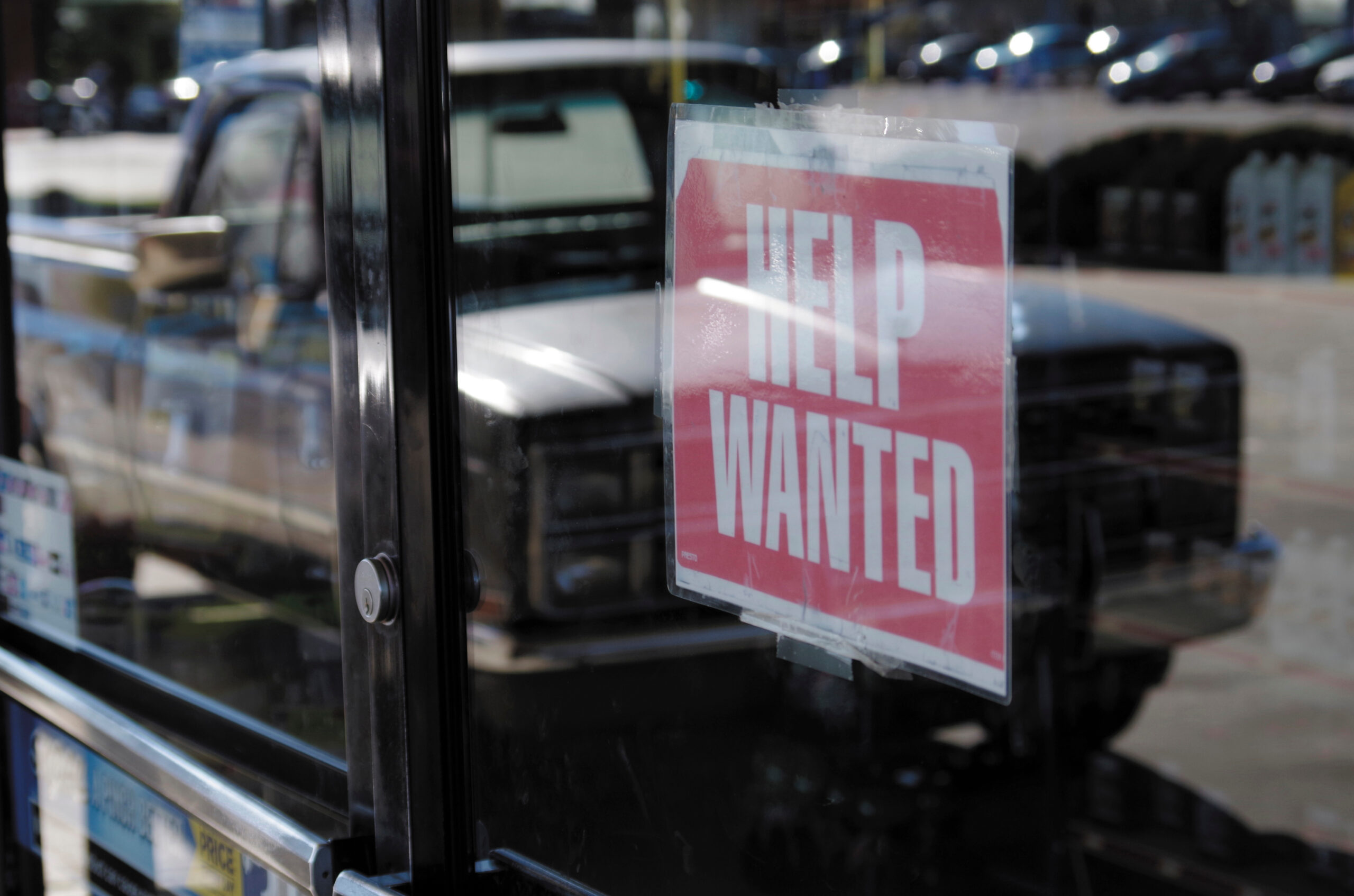
December 22, 2023 // Sean Higgins, an analyst at the libertarian Competitive Enterprise Institute, said many food and hospitality workers already earn more than their state minimum. He noted that employers have raised salaries to compete for a shrinking pool of applicants. “Raising state and local rates does hurt the smaller businesses, the classic mom and pop enterprises, who will employ local high school or college-age kids if they can but may not be able to justify that if the minimum rate increases,” Mr. Higgins said.
The rise and fall of ESG investing
November 9, 2023 // Ideologically aligned investments are risky. Fink and others now seem to understand that. There’s a role for ESG investing if people want it, with the risks and realities clearly explained up front. As the conversation moves forward on rulemaking, regulation and what the law should be, the fiduciary responsibility that money managers have to their clients to produce the greatest possible return on investment must remain the paramount consideration.

Counterpoint: Davis-Bacon Requires Pork Spending, Costs Taxpayers Billions
October 23, 2023 // The Davis-Bacon Act was passed in 1931 and was initially meant to counter a Depression-era practice of literally busing in workers from a lower-paying region so employers didn’t have to hire local workers who would not work for the wages being offered. This practice benefitted many workers, frequently African-Americans, who lived in poor regions with little work. Busing in unskilled labor is rarely a factor with the law, as most federal projects involve skilled labor. The present-day purpose behind the Davis-Bacon Act is to boost unions. The Labor Department’s Wage and Hour Division is the entity that surveys businesses and determines the prevailing wage for these types of projects. This wage mirrors what companies with collective bargaining contracts — union wages — pay their workers. Unions that drive up their members’ wages are thus protected from the economic consequences of doing that if their business involves federal contracts because non-unionized businesses will have to pay the same wages and, therefore lose any wage-price advantage. The AFL-CIO is one of the main boosters of the law, unsurprisingly.
Pro-Union Advocates Push to Fill NLRB Vacancy for Wrong Reason
August 22, 2023 // Union officials are seemingly concerned her absence will thwart the advancement of a pro-union agenda. As one labor leader lamented, it is “certainly in the interest of the unions … to have a functioning board with good, strong, pro-worker advocates. The NLRB is supposed to make it easier for workers to organize, not harder.” There are two problems with such complaints from union leaders. The first is that being pro-union is not the appropriate role for the NLRB, which is supposed to be neutral, not biased in favor of unions. Yet, it is a common misconception that even President Biden repeated by saying, “the policy of the federal government has been to encourage worker organizing and collective bargaining, not to merely allow or tolerate them.” Related National Labor Relations Board Says Profanity in the Workplace Is Just Fine As a recent report from the Competitive Enterprise Institute notes, “the claim that the NLRA [National Labor Relations Act] was meant to encourage unionization is contrary to the repeated claims of the late Sen. Robert Wagner, a New York Democrat and author of the law.” Instead, the NLRA attempted to strike a balance between providing the right to bargain collectively through a union while at the same time ensuring workers are free not to do so either.
Biden’s New ‘Prevailing Wage’ Rule Will Cost Taxpayers, Benefit Unions, and Hike Inflation
August 18, 2023 // Actually, the changes are a significant step backward. Biden is effectively undoing a major change made by the Reagan administration—changes that were made, fittingly, to help combat inflation. That change, made in 1982, repealed the "30 percent rule" that guided the process for determining what wages would be paid on which projects. Under the 30 percent rule, the prevailing wage for any particular area would be based on the highest wages paid to at least 30 percent of workers within the same area. You don't need an advanced degree in accounting to see how that mandate could artificially hike wages on federal projects. The government barred itself from even considering bids that might pay average wages, thereby obligating taxpayers to pay more than they might have had to in an open market.
BIDEN ADMINISTRATION TWISTS THE NLRA TO ACCOMMODATE PRO-UNION BIAS
August 15, 2023 // Similar to the claim that Biden is the “most pro-union president” ever, utilizing the NLRA to justify measures that mitigate worker choice betrays either a fundamental misunderstanding or complete disregard for American history. Ultimately, claims that the NLRA mandates governmental support of collective bargaining are an attempt to short-circuit debate over radical labor legislation disguised as inconsequential “cosmetic updates” to the NLRA. While the Biden administration continues to tout its pro-union bias, public- and private-sector workers alike deserve a pro-worker administration in the White House.
Commentary: To Unions, Organizing Time Is Fine When It’s on the Taxpayers’ Dime
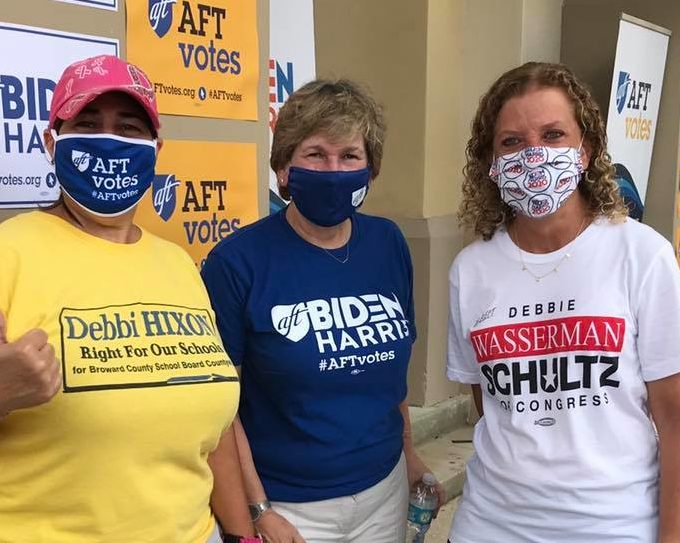
June 29, 2023 // Despite public sector unions, and particularly teachers’ unions like Weingarten’s American Federation for Teachers, facing mounting scrutiny for their role in school closures and broader left-wing political activism, the practice of release time has garnered little attention.